.svg)

.svg)

Dental implant surgery is a big step toward getting your smile back. But what you eat after the procedure matters more than many people realize.
The wrong foods can cause discomfort, slow healing, or put pressure on the treated area. The right foods can help you feel better, heal faster, and protect your implant site.
So, what should you actually eat? And what should you avoid? That is exactly what this article will help you understand in a simple way.
In this guide, we will cover:
- The best foods to eat after dental implant surgery
- Foods and drinks you should avoid
- How to eat in a way that supports faster healing
- When you can slowly return to your normal diet
So, which foods help you heal, and which ones should you stay away from? Let’s find out.
Why Food Choices Matter After Dental Implant Surgery
After dental implant surgery, your mouth needs rest. Not extra work.
Hard, crunchy, spicy, or very hot foods can press on the surgical area, irritate the gums, and even disturb early healing. That can lead to more pain, swelling, or bleeding.
Soft foods are safer because they protect the implant site while your gum and bone begin to heal. This is especially important after procedures like implant placement surgery, where the treated area needs extra care.
Good food choices also help your body recover faster. Soft, nutrient-rich meals give you energy and make eating easier when chewing feels uncomfortable.
In a 2024 study of oral and maxillofacial surgery patients, the group on a balanced soft diet had 0% signs of infection, while the comparison group had a 31.25% complication rate.
This shows that eating the right foods is not just about comfort. It is a simple step that helps protect your implant and supports smoother healing.
What to Eat in the First 24 Hours
In the first 24 hours after dental implant surgery, keep your food cool or lukewarm, soft, and easy to swallow.
Your mouth will be sensitive during this time, and the surgical site needs gentle care to heal properly.
Hot foods can irritate the site, and hard foods can make you chew too soon. If your mouth is still numb, stay extra careful so you do not bite your cheek or tongue by mistake.
Here are a few good choices:
- Yogurt
- Applesauce
- Pudding
- Mashed potatoes
- Smooth soups
- Smoothies without seeds
- Broth
Sip water often and keep meals simple. Skip anything crunchy, spicy, sticky, or very hot on day one. If your dentist told you not to use a straw, follow that instruction closely.
A useful fact: large reviews report that dental implants have survival rates above 90% even after 10 years. That is exactly why protecting the area on day one matters so much. If you're curious about long-term benefits, you can explore the key benefits of tooth replacement solutions.
Best Soft Foods for the First Few Days
For the first few days after dental implant surgery, you need foods that are soft, gentle, and easy to eat.
Because the implant area is still healing, and too much chewing can put pressure on the site. That can slow recovery and make you more uncomfortable.
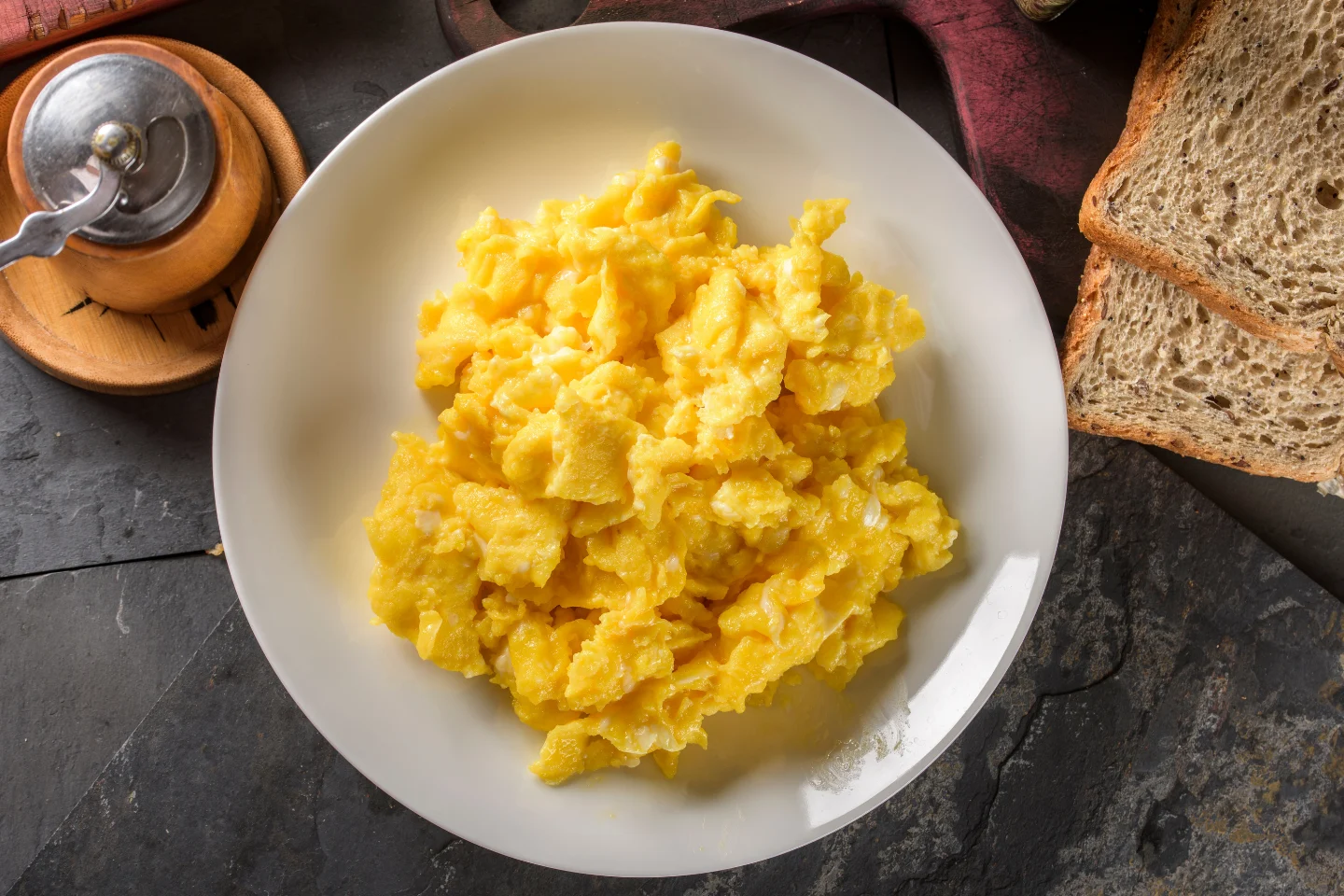
Good choices include:
- scrambled eggs
- yogurt
- mashed potatoes
- oatmeal
- cottage cheese
- soft pasta
- bananas
- avocado
- well-cooked vegetables
These foods are easy to eat and still give your body the energy it needs. Try to choose options with protein and nutrients, since they support healing.
Keep your meals soft, mild, and comfortable. If a food makes you chew too much or causes soreness, it is probably too early for it. Recovery timelines can vary, especially if you’ve had a single tooth restoration procedure, where healing may feel more localized.
Foods and Drinks to Avoid
Right after your dental implant, your mouth is in a sensitive healing phase. What you eat can either help… or slow things down.
So, what should you stay away from?
- Hard and crunchy foods (chips, nuts): they can press on the implant and disturb healing
- Sticky foods (caramel, chewing gum): they may pull at the area or get stuck
- Spicy foods: can irritate the wound and cause discomfort
- Very hot foods or drinks: heat can increase swelling or trigger pain
- Alcohol and smoking: both can delay healing and increase infection risk
- Acidic foods (citrus, soda): may cause a stinging sensation
So, if a food needs strong chewing or feels aggressive in your mouth, it’s best to skip it for now. It’s also helpful to understand post-surgery care habits, such as why avoiding dairy after implant procedures is often recommended.
When You Can Start Eating Normal Foods Again
You can start adding normal foods gradually, not all at once.
Most people begin reintroducing softer solid foods after 3–7 days, depending on comfort and healing. If it hurts, your body is telling you to slow down.
Here’s how to do it safely:
- Move to firmer foods only when chewing feels pain-free
- Always chew on the opposite side of the implant (if possible)
- Avoid anything hard or crunchy until your dentist says it’s okay
Remember, if a food needs strong biting or causes pressure, wait a few more days.
Healing time is different for everyone. So follow your dentist’s advice first, and let your comfort level guide you. In cases where multiple teeth are involved, recovery may differ slightly, such as with solutions for several missing teeth.
Tips for Eating Comfortably After Surgery
Eating after dental implant surgery can feel a little awkward at first. But that is normal. Your mouth is healing, so the goal is to make eating as easy and safe as possible.
1. Take small bites
Start with small bites instead of large ones. This puts less pressure on your mouth and makes chewing easier. It also helps you stay in control while eating, especially if the area feels tender.
2. Eat slowly
There is no need to rush. Slow eating helps you notice what feels comfortable and what does not. If something feels too firm or irritating, you can stop before it causes pain.
3. Choose soft foods that need very little chewing
The less work your mouth has to do, the better. Soft foods are easier on the implant site and lower the chance of irritation. Foods like mashed potatoes, yogurt, scrambled eggs, oatmeal, and smoothies can make meals much more manageable.
4. Keep food lukewarm, not too hot
Very hot food or drinks can make the area feel more sensitive. Lukewarm food is usually more comfortable during the first few days. It is a small change, but it can make eating feel much better.
5. Chew away from the surgical site
If your dentist allows it, try chewing on the opposite side of your mouth. This helps protect the treated area from pressure and reduces the risk of disturbing the healing tissue.
6. Stick to simple meals
This is not the time for heavy, complicated meals. Go for foods that are easy to prepare, easy to eat, and easy on your mouth. Simple meals can help you stay comfortable while still getting the nutrition your body needs.
7. Stay hydrated throughout the day
Drinking enough water can help your mouth feel better and support recovery. Just sip carefully and follow your dentist’s instructions, especially if you were told to avoid straws.
8. Stop if something feels wrong
A little sensitivity is expected. But, sharp pain is not. If a food feels too hard, too hot, or uncomfortable, do not force it. Switch to something softer and give your mouth more time to heal. Understanding the typical timeline for implant procedures can also help set the right expectations.
Warning Signs to Watch For
After dental implant surgery, some soreness and swelling are normal. But a few symptoms can mean something is wrong.
Watch for pain that gets worse, not better. The same goes for swelling that keeps increasing after the first few days. If you notice heavy bleeding, pus, a bad taste, or fever, contact your dentist right away. These can be signs of infection or poor healing.
Also pay attention if you have trouble eating, trouble opening your mouth, or the implant area feels loose or unstable. That is not something to ignore.
When in doubt, call your dentist. It is always better to check early than wait too long. If you're exploring long-term options, learning more about modern implant-supported tooth replacements can help you stay informed.
Your Recovery Starts With What You Eat
What you eat after dental implant surgery matters more than you may think. Soft, simple, and nourishing foods can help you feel more comfortable and support a smoother recovery. Take it slow, avoid anything that may irritate the area, and follow your dentist’s advice. When you give your mouth the care it needs, you give your implant the best chance to heal well.
FAQs on Eating After Implant Surgery
Can you eat normally after dental implant surgery?
No, you should not eat normally right after surgery. Most patients need to follow a liquid or soft food diet for several days to protect the implant and allow proper healing. Normal eating usually resumes gradually after a few weeks.
Why no dairy after dental implants?
Some dentists recommend avoiding dairy immediately after surgery because it may increase mucus production or cause mild irritation in some patients. However, this advice varies, so follow your dentist’s specific instructions.
What can I eat 4 days after a dental implant?
By day 4, you can usually eat soft foods like scrambled eggs, mashed potatoes, yogurt, oatmeal, soft pasta, and smoothies. Avoid anything crunchy, sticky, or hard.
Does salt water help heal dental implants?
Yes, rinsing with warm salt water after the first 24 hours helps keep the area clean, reduces bacteria, and supports healing without irritating the surgical site.
What to drink after dental implant surgery?
You can drink water, smoothies, milk, and non-acidic juices. Avoid alcohol, hot beverages, and using a straw during the early healing phase.