.svg)

.svg)
Advanced Dental Imaging in Fremont
3D Cone Beam & Digital X-Rays
At Fremont Star Dental, we believe that precision starts with accurate diagnosis. Our in-house Imaging Center is equipped with advanced 3D Cone Beam Computed Tomography (CBCT) and digital X-ray technology—designed to give you a safer, faster, and more detailed assessment of your dental health.

Exceptional Care
I highly recommend her & staff for implants work, they are very professional. The office is clean & spacious. Thanks Dr. Patel !

Always a Great Experience
I would dont mind my long drive to her office due to good service. I would highly recommned her.
.webp)
Skilled and Caring
Always a great experience! Visiting the orthodontist isn’t always fun, but Dr. Patel’s professional care is a pleasant surprise.
Top-Rated Dental Care
5 star for STAR dental! Routine checkup for my family with doctor’s office was smooth! Staffs here were very professional.
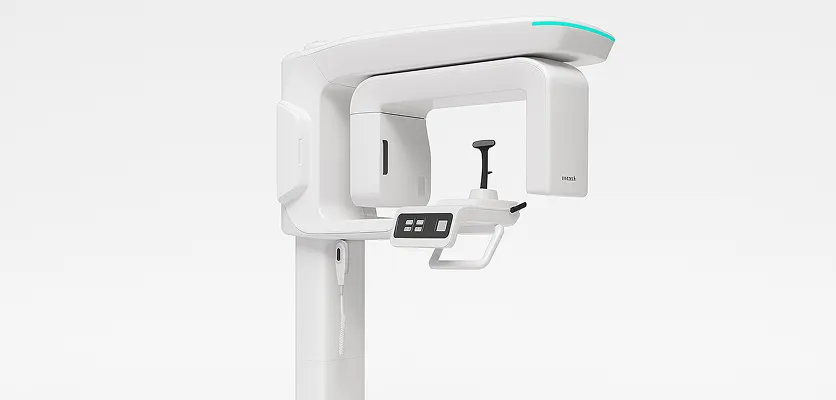
Modern dentistry uses advanced tools to help dentists find problems and plan treatments more effectively. A 3D cone beam scan gives dentists clear, three-dimensional views of your teeth, jaw, and nearby areas. This technology helps spot issues that might stay hidden on old-fashioned X-rays and lets dentists plan your care with better accuracy.
At Fremont Star Dental, we use 3D cone beam imaging for things like dental implants, Invisalign planning, root canal therapy, and oral surgery. With this dental imaging, our team can look at your mouth from many different angles and build a treatment plan that fits you perfectly.
What Is a 3D Cone Beam CT Scan?
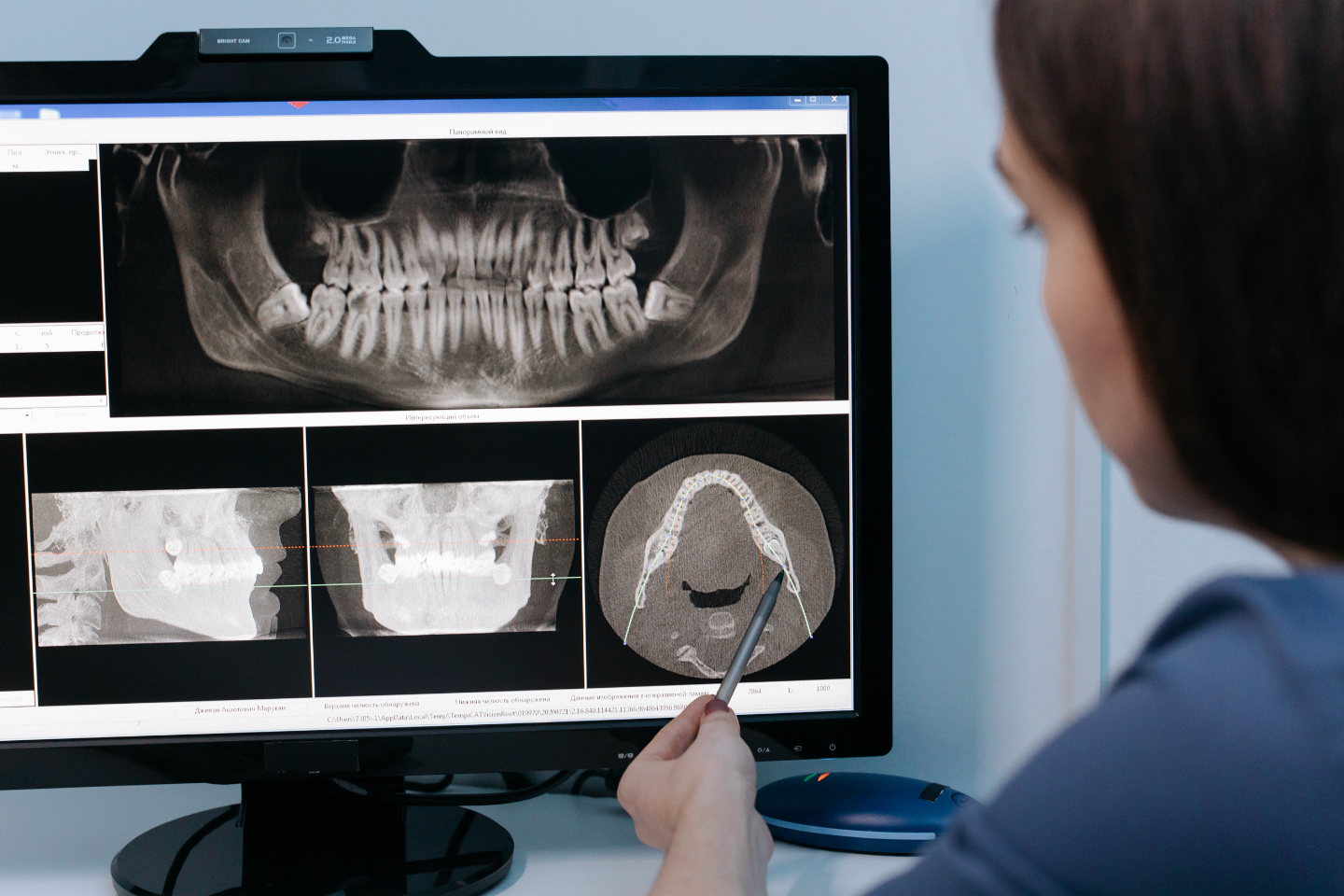
A 3D cone beam CT scan is a special type of dental tech that takes detailed pictures of your teeth, jawbone, and face. While regular X-rays only show flat, two-dimensional images, a 3D scan creates a full model of the area being checked.
As you get scanned, the machine moves around your head and takes many pictures in just a few seconds. These are put together to make a digital model so your dentist can look closely at:
- Teeth and their roots
- Jawbone shape and strength
- Where nerves are located
- Sinus cavities
- The jaw joint (TMJ)
- Other facial structures
Since this 3D imaging shows the whole area clearly, dentists can find concerns that might not show up on a standard dental X-ray.
How is 3D Imaging Different from Regular Dental X-Rays?
Standard dental X-rays are still good for normal exams, but cone beam CT scans provide much more information.
Traditional X-Rays
These make flat, 2D pictures. They are mostly used for routine checkups and finding cavities. However, they don't show much about the bone or the surrounding anatomy. They are often taken during routine dental exams and preventive checkups to monitor oral health and detect early signs of cavities or gum disease.
3D Cone Beam Dental Scan
This produces deep 3D images. It shows bone density, nerve paths, and jaw shape. This helps dentists plan for harder treatments and find hidden dental problems. Because a 3D scan shows so much more than a standard X-ray, it is often suggested for bigger dental jobs.
Role of 3D Imaging for Dental Implant Planning
Dental implant surgery needs careful planning to make sure it works long-term. A 3D cone beam CT scan lets dentists look at the jawbone very closely before the implant is placed.
Using this imaging, your dentist can:
- Measure how high and wide the bone is
- Find nearby nerves and sinuses
- Pick the best angle for the implant
- See if you need a bone graft
- Make the surgery more accurate
With a 3D scan, dentists can place implants more carefully and lower the risk of problems.
Role of 3D Imaging in Invisalign & Orthodontics
Braces or aligners require a good look at tooth position and jaw alignment. 3D imaging helps dentists plan treatments like Invisalign more accurately.
A 3D scan helps dentists check:
- How the jaw lines up and how you bite
- Teeth that haven't come in yet
- Bone support around the teeth
- Root position and spacing
- Airway and facial balance
These pictures help dentists create better plans for straight teeth. When used with digital scans, 3D imaging helps guide teeth into the right spot safely. For patients considering orthodontics, imaging is also used when planning metal wire braces to evaluate tooth alignment and jaw structure:
Safety and Low Radiation
Many people worry about radiation with new imaging tools. The good news is that 3D cone beam systems are built with safety in mind.
Compared to a medical CT scan you might get at a hospital, dental 3D imaging uses much less radiation. Modern systems are made to get clear pictures while keeping the dose as low as possible.
Other safety points include:
- Very fast scans, often under a minute
- Focusing only on the area that needs help
- Digital tech that cuts down exposure
- A simple, painless process
Because of this, a 3D cone beam scan is a safe and normal tool in modern dental offices today.
What Can a 3D Scan Find?
A 3D scan provides deep images that help dentists see many different health issues more clearly.
This imaging can find:
- Bone loss from gum disease
- Stuck wisdom teeth
- Cracked roots or hidden infections
- Jaw joint (TMJ) issues
- Cysts or growths in the jaw
- Sinus problems that affect your teeth
- Tricky root canal shapes
- Dental injuries
Because these scans show so much detail, dentists can catch problems early and suggest the right fix. In some cases, imaging also helps dentists evaluate teeth before cosmetic or restorative procedures such as porcelain veneer smile enhancements, ensuring proper tooth structure and alignment before treatment.
When Will a Dentist Suggest a 3D Scan?
Your dentist might ask for a 3D cone beam CT scan when they need a better look than a regular X-ray provides.
Common reasons include:
- Planning for dental implants
- Mapping out Invisalign or braces
- Checking on wisdom teeth
- Figuring out root canal issues
- Getting ready for oral surgery
- Looking at TMJ pain
- Checking for bone loss
These scans are also useful when planning restorative work like custom dental crowns or bridges, where accurate imaging helps dentists evaluate the tooth structure and surrounding bone before treatment. By using 3D imaging, dentists can make better plans and help you get better results.
What Happens During the Scan?
A 3D dental scan is fast, easy, and comfortable.
During the visit:
- You will stand or sit in the machine.
- The scanner will move slowly around your head.
- The system takes many pictures in seconds.
- The whole thing usually takes less than a minute.
It does not hurt and you don't need to do anything to prepare. Usually, the pictures are ready right away so your dentist can talk about the results with you during the same appointment.
Why Choose 3D Cone Beam Imaging?
Unlike traditional X-rays, our CBCT scans capture high-resolution, 3D images of your teeth, bone structures, nerves, and soft tissues—all in a single, quick scan. This comprehensive view helps us diagnose with pinpoint accuracy and craft personalized treatment plans for everything from dental implants to complex oral surgeries.
Benefits of Our Imaging Center
- Comprehensive 3D Visualization: View bone density, nerve pathways, and anatomical structures with clarity.
- Safe & Efficient: Lower radiation exposure compared to conventional CT scans.
- Faster Diagnostics: Get instant results that aid in same-day consultations and quicker treatment decisions.
- Better Treatment Outcomes: Enhanced planning for implants, root canals, orthodontics, and surgical procedures.
What You Can Expect
Our friendly team will guide you through a quick, comfortable imaging process using our state-of-the-art equipment. The scan is non-invasive, pain-free, and completed in just a few minutes.
Serving Fremont with Cutting-Edge Dental Technology
We’re proud to bring advanced imaging solutions to the Fremont community. Whether you're seeking dental implants or a comprehensive oral health evaluation, our Imaging Center ensures you receive the best possible care from the very first step.