.svg)

.svg)
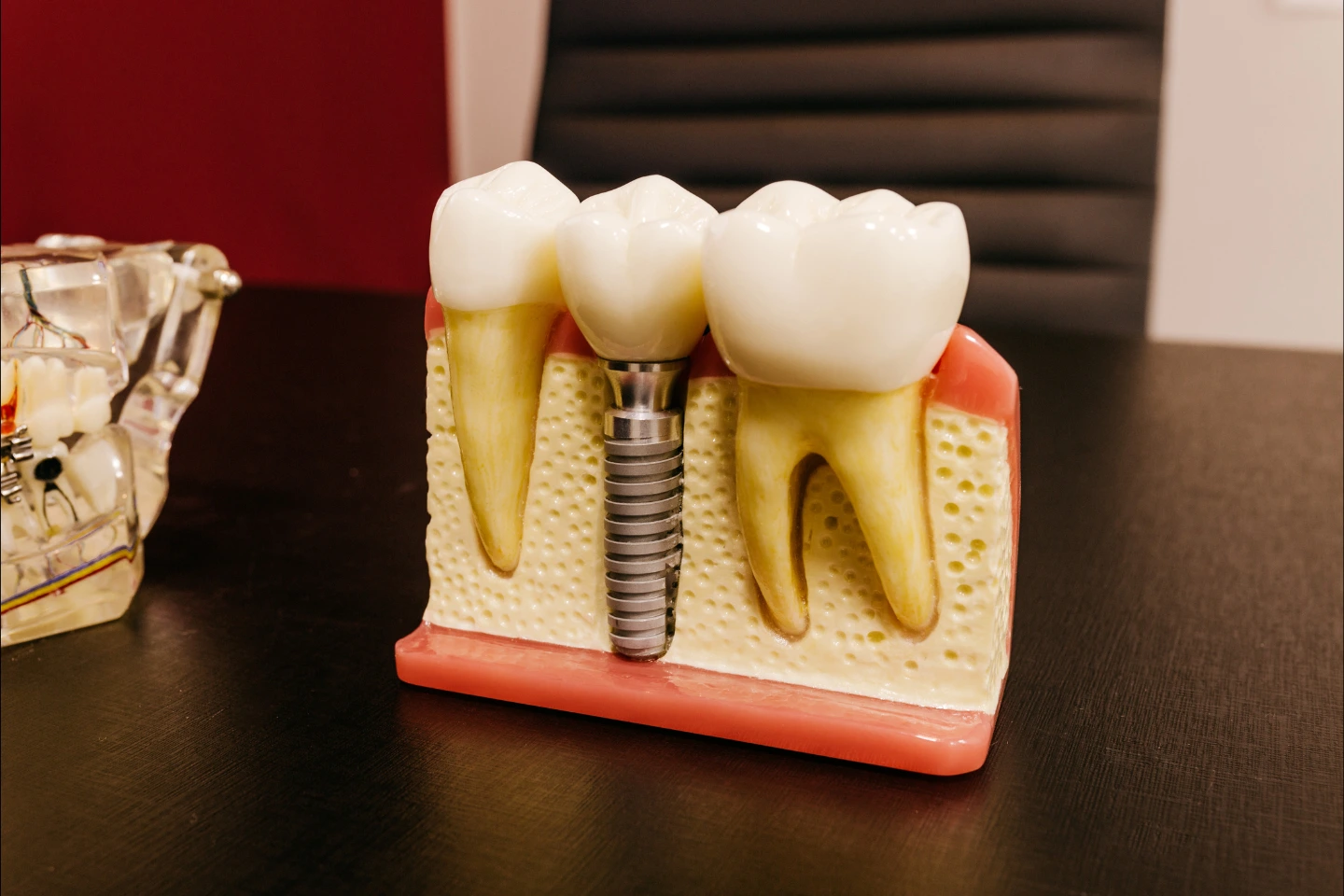
Losing a tooth is stressful enough. So the first thing you want to know is simple: how long will a single tooth implant take?
The answer depends on your case. Some implants move faster. Others take more time because the process is usually done in stages, not rushed in one visit.
An NCBI systematic review found that single immediate implants showed a 96.7% to 100% success rate across nine studies, which is why dentists focus so much on proper timing, healing, and fit.
So, what are the actual steps in a single tooth implant procedure, and how long does each one take?
Let’s find out.
The Full Timeline at a Glance
- Consultation and planning: 1 visit
- Tooth extraction (if needed): may add healing time
- Bone grafting (if needed): can add weeks to months
- Implant placement surgery: often done in a single appointment
- Healing and osseointegration: often 3 to 9 months
- Crown placement: final step after healing
What Happens During a Single Tooth Implant Procedure?
A single tooth implant happens in clear stages. You do not walk in and leave with the full process finished in one visit. Here is what usually happens:
1. Initial consultation
Your dentist first checks your mouth, gums, and jawbone. You may need X-rays or a 3D scan. This helps them see if your bone is strong enough for the implant and plan the exact position.
2. Tooth extraction, if needed
If the damaged tooth is still there, it may need to be removed first. In some cases, the implant can be placed soon after. In others, your mouth needs time to heal before the next step.
3. Bone grafting, if needed
If your jawbone is too thin or weak, your dentist may add bone material first. This gives the implant a solid base. Not everyone needs this, but when you do, it can add more healing time. This step is typically part of a broader modern dental implant treatment approach.
4. Implant placement
This is the main procedure. The dentist places a small titanium post into your jawbone. That post acts like an artificial tooth root. It is placed carefully so it can support your future crown. Many people also wonder about discomfort, and understanding what the procedure feels like during placement can help reduce anxiety.
5. Healing and bone fusion
After placement, your jawbone needs time to heal around the implant. This is called osseointegration. It means the bone slowly fuses with the implant and holds it firmly in place.
6. Abutment and crown placement
Once healing is complete, a small connector called an abutment is attached. Then your custom crown is placed on top. This is the part that looks and works like your natural tooth.

How Long Does Each Step Usually Take?
If you are thinking about getting a single tooth implant, one of the first questions that comes to mind is simple: how long does the whole process actually take?
The answer depends on your case. Some steps are quick. Others take more time because your mouth needs to heal properly. But fortunately, most of the process is not long dental chair time. It is mainly healing time between appointments.
Here is how each step usually works.
1. Consultation and Planning
This is usually the first and shortest step.
In most cases, the consultation takes one visit. During this appointment, your dentist checks your teeth, gums, and jawbone. They also look at the empty space where the implant will go. You may need X-rays or a 3D scan to help plan the treatment.
This step matters because it tells you what comes next. Some people can move forward quickly. Others may need an extraction or bone graft first.
2. Tooth Extraction, If Needed
If the damaged tooth is still there, it may need to be removed before the implant is placed.
Sometimes the dentist can remove the tooth and move to the next stage without much delay. In other cases, your mouth needs time to heal first. This can happen if there is infection, swelling, or not enough healthy bone in the area.
So, this step can be simple for one person and slower for another. It all depends on the condition of the tooth and surrounding bone.
3. Bone Grafting, If Needed
Not everyone needs a bone graft. But if your jawbone is too thin or weak, your dentist may recommend one before placing the implant.
This step can add more time to the process because the bone has to heal and become strong enough to support the implant. That healing period may take several weeks or even a few months, depending on how much support is needed.
This is often the step that changes the overall timeline the most.
4. Implant Placement Surgery
This is the step most people think of when they hear the word implant.
The actual implant placement is usually done in one appointment. During this visit, the dentist places the implant into your jawbone. It is a minor surgical procedure, and many patients are surprised that it is shorter and more manageable than they expected.
So, if you are worried that the surgery itself takes forever, that is usually not the case. The real waiting happens after the implant is placed.
5. Early Healing After Surgery
After the implant is placed, your mouth needs time to recover from the procedure itself.
The first few days are usually when you notice mild swelling, tenderness, or soreness. For many people, the initial recovery feels much better within about a week. You can often return to normal daily activities fairly quickly, depending on your dentist’s advice.
But this early healing is only the surface part. The deeper healing still needs more time.
6. Osseointegration
This is the longest and most important step.
Osseointegration is when the implant slowly bonds with your jawbone. In simple words, your bone grows around the implant and locks it into place. This is what makes the implant strong and stable over time.
This stage usually takes a few months. In many cases, it can take around 3 to 6 months, though some patients may need a little less or more time depending on healing, bone quality, and overall oral health.
This waiting period is normal. It is also necessary. A strong implant needs a strong foundation.
7. Abutment Placement
Once the implant has healed well and fully bonded with the bone, the next step is placing the abutment.
The abutment is the small connector that sits on top of the implant and holds the crown in place. In some cases, this is done as a separate appointment. In others, it may already be part of the treatment plan earlier in the process.
This step is usually much faster than implant surgery and does not add a long delay.
8. Final Crown Placement
This is the last step in the process.
Once everything is healed and ready, your dentist places the custom crown on top of the implant. This is the part that looks like your natural tooth. It is designed to match the shape, size, and color of your smile.
At this point, the implant process is complete. You can bite, smile, and speak with more confidence again. If you are exploring different approaches, it may also help to review available options for replacing a missing tooth.
The most important thing to understand is this:
A single tooth implant may be placed in a short visit, but the full procedure takes longer because healing takes time. That does not mean something is wrong. It means your mouth is going through the right steps to build a secure, long-lasting result.
And honestly, that is what you want, not the fastest process, but the strongest outcome.
Can a Single Tooth Implant Be Done in One Day?
Yes, sometimes. But “done in one day” usually means the implant can be placed in one visit, not that the whole treatment is fully finished that day.
You may get the implant quickly, and in some cases a temporary tooth can be attached right away. But the implant still needs time to heal and fuse with your jawbone before the final permanent crown is placed.
That healing phase often takes several months.
What Is Recovery Like After the Procedure?
Recovery is usually easier than many people expect. You may have mild soreness, slight swelling, and a little bleeding after the implant is placed.
The early healing stage often takes about one week. During this time, you may need soft foods and a gentler routine. Following proper aftercare tips for implant recovery can make this phase smoother.
But feeling better is not the same as fully healed. Even after the first few days, your jawbone still needs time to fuse with the implant. This process, called osseointegration, can take several months, often around 3 to 9 months, before the final crown is placed.
So, in simple words, recovery has two stages:
- Quick outer recovery
- Slower inner healing.
You may get back to normal life fairly soon, but the implant still needs time to become strong and stable inside the bone.
Who Might Need a Longer Treatment Timeline?
You may need a longer implant timeline if your mouth needs extra preparation before the implant goes in.
For example, if your tooth must be removed first, your dentist may wait for the area to heal before moving to the next step. If your jawbone is too thin or too soft, you may need a bone graft first. That can add weeks or even a few months to the process.
Where the tooth sits matters too, not just its condition. Front teeth usually take longer than back teeth. The bone up there is naturally thinner, and your gum line shows every time you smile, so your dentist has less room for error and often wants a custom, all-ceramic crown to match your other teeth exactly. Back teeth carry more chewing force but sit in denser bone, so once healed, they're usually more forgiving. If you're replacing a front tooth, budget a little extra patience.
Your timeline may also be longer if you have bone loss, gum disease, or healing risks like smoking or certain medical conditions. These issues can affect how well the implant site heals and how stable the implant becomes over time.
Smoking is the big one dentists worry about most. Nicotine narrows blood vessels, and less blood flow to the site means slower, weaker healing, some research puts implant failure at two to three times higher in smokers. Uncontrolled diabetes works against you the same way, high blood sugar just slows down how fast your body can heal and fuse new bone. Certain medications matter too, especially bisphosphonates used for osteoporosis, since they affect how bone remodels. None of this rules out an implant, it just means your dentist may want a longer healing window to be safe.
So, if your case is simple, treatment can move faster. If your mouth needs support first, expect a slower but safer process. It is also helpful to understand the long-term perspective, including whether implants are a worthwhile investment.
Ready to Restore Your Smile?
A single tooth implant is not usually a one-day process from start to finish. The procedure itself may be quick, but the full timeline depends on healing, bone support, and your treatment plan. The good news is that once everything is complete, you get a strong and natural-looking tooth replacement that can last for years. If you want to know how long it may take in your case, the best step is to talk to your dentist. You can explore a custom single tooth implant solution to better understand your treatment options.
FAQs on Single Tooth Implant Process
Are single tooth implants worth it?
Yes, single tooth implants are considered one of the most reliable and long-lasting solutions for replacing a missing tooth. They help restore function, prevent bone loss, and maintain the natural look of your smile.
How painful is a single tooth implant?
Most patients report minimal discomfort during the procedure because the area is numbed. After surgery, mild soreness is common but manageable with medication and usually improves within a few days.
Do you get put to sleep for a single dental implant?
In most cases, patients receive local anesthesia, so they stay awake but do not feel pain. Sedation options may be available if you feel anxious.
How long does one tooth implant last?
With proper care, a dental implant can last many years or even decades. Regular dental visits and good oral hygiene play a key role in longevity.
How long is recovery after a single tooth implant?
Initial healing usually takes one to two weeks, but full integration of the implant with the bone can take three to six months.