.svg)

.svg)
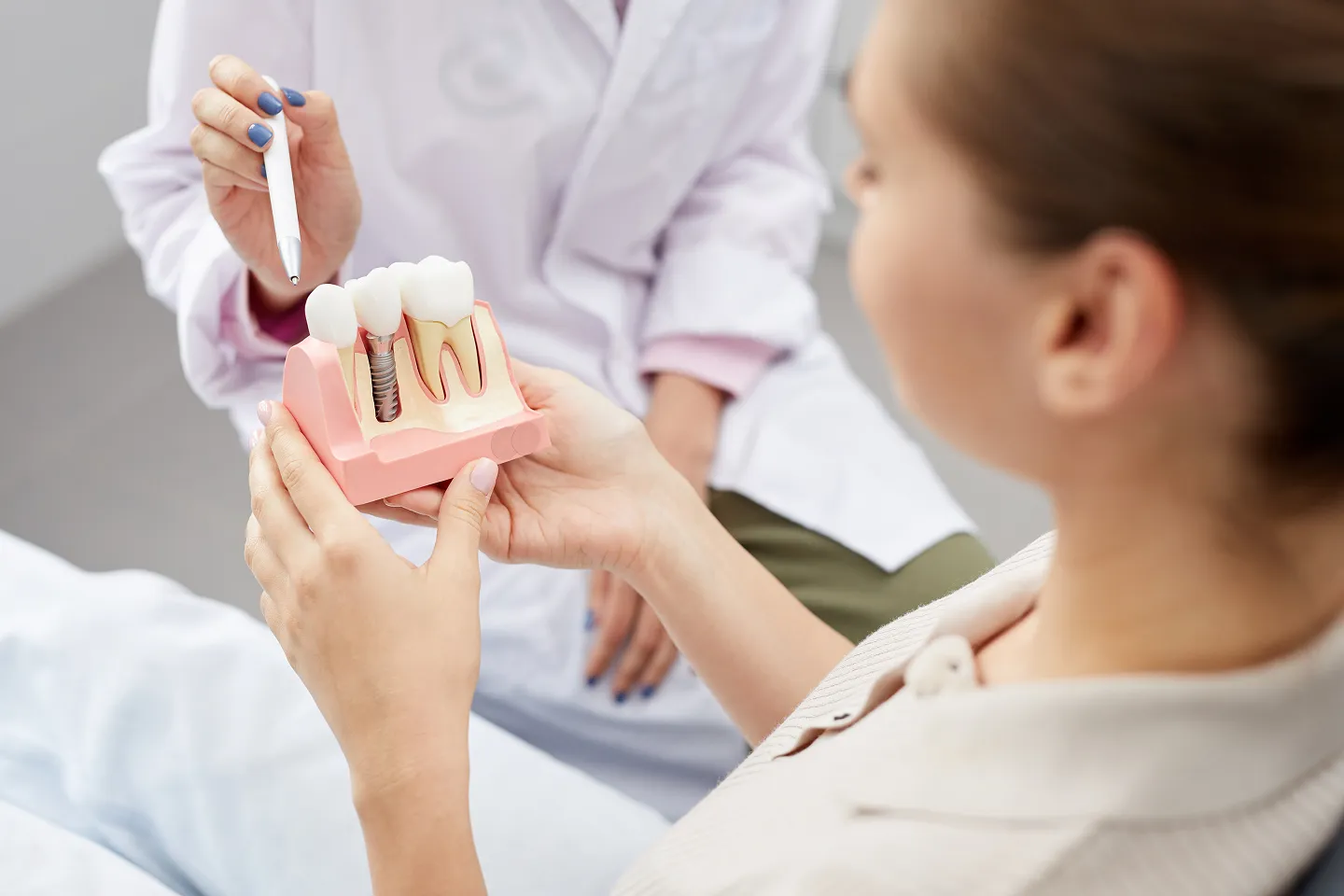
After completing your dental implant procedure, proper long-term care becomes essential. You have gone through the visits, the healing time, and the final placement of that new tooth. It feels great to have a full smile again, doesn't it?
But now that the work is done, you might be wondering: "What now?" Unlike a real tooth, an implant is made of titanium and porcelain, so it cannot get a cavity. However, that does not mean it can't be broken. While the implant itself cannot decay, the surrounding gums and bone still require careful attention to prevent complications like peri-implant disease. To keep your new tooth looking and feeling great for the next thirty or forty years, you need to treat it with a little care.
At Fremont Star Dental, we love seeing our patients leave with a happy smile. But our job does not end when the implant is put in. We want to make sure you know exactly how to protect it. If you are looking for a team you can trust for your dental health in Fremont, CA, we are here to help you every step of the way.
Here is everything you need to know about caring for your single-tooth dental implant.
The Main Rule: Treat It Like a Real Tooth
The best thing about a single tooth dental implant is that it looks and acts just like the tooth you lost. The good news is that caring for it is very similar to caring for your natural teeth. You do not need to take it out at night or soak it in a glass.
However, because the implant is attached to your jawbone and gums differently than a natural root, you have to be extra careful about the tissue around it. Although the implant is artificial, the living tissues supporting it must remain healthy for long-term success. Many patients choose this solution because a single tooth replacement with a dental implant provides a stable and natural-looking way to restore a missing tooth. If you are still exploring alternatives, you can learn more about different ways to replace a missing tooth.
Your Daily Cleaning Routine
A good daily routine is the secret to making an implant last a lifetime. Here is how to do it right.
Brushing Well
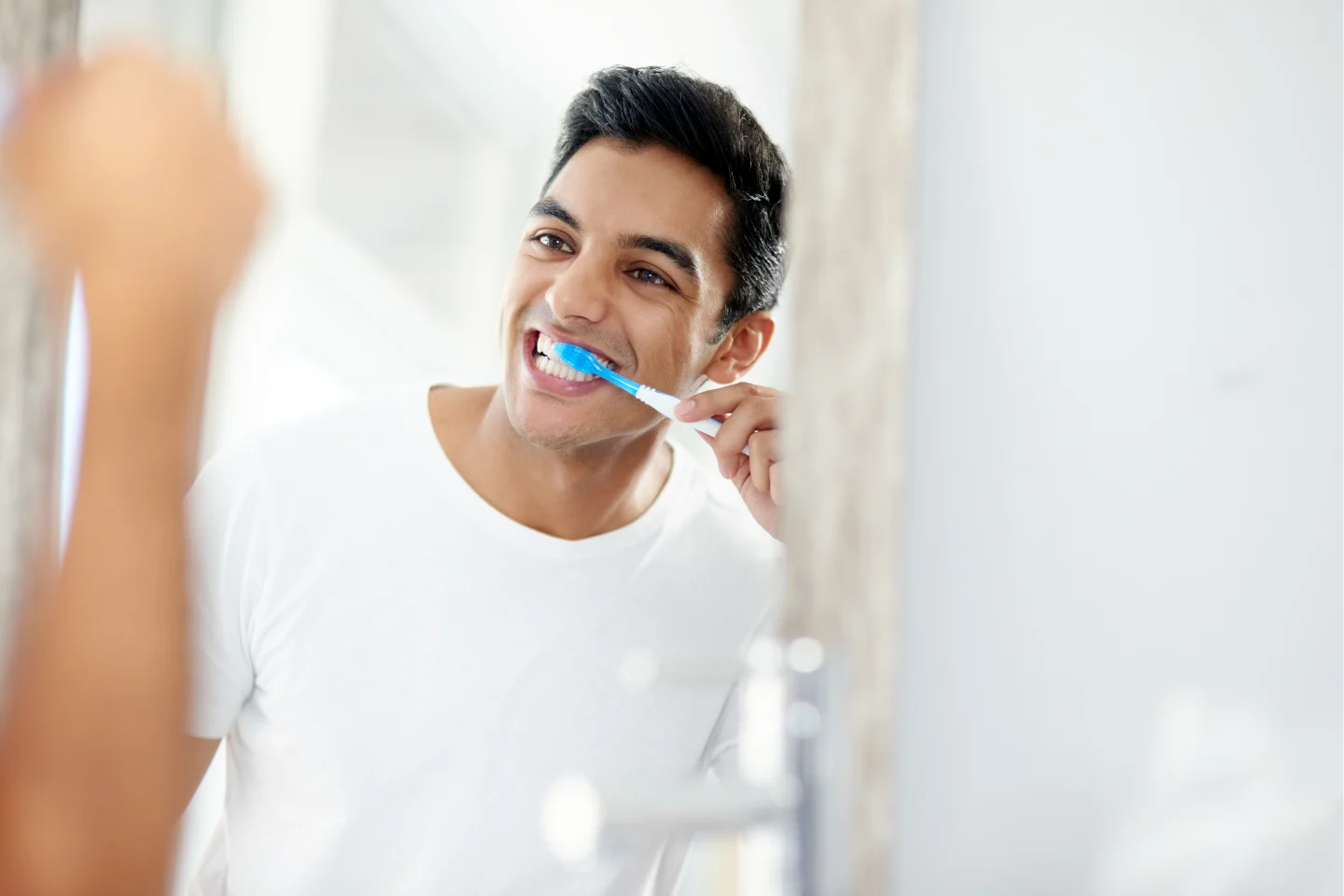
Brushing at least twice a day helps protect both your implant crown and surrounding gum tissue. We suggest using a soft toothbrush. Hard bristles can scratch the surface of your new tooth or bother the gum line. Many patients in Fremont, CA find that an electric toothbrush is a great choice because it does a lot of the work for you and makes sure you get a deep clean around the base of the implant.
Don't Forget to Floss
If you were not a big flosser before, now is the time to start. Bacteria love to hide in the small gap where the implant meets the gum. If buildup stays there, it can lead to an infection. Poor oral hygiene is one of the leading causes of implant complications.
Using a special type of floss can help you get around the post more easily. If regular flossing is too hard, a water flosser is a great tool that many patients find helpful.
Picking the Right Toothpaste
Some whitening toothpastes are very gritty. While this helps scrub stains off real teeth, it can be too rough for your new crown. Look for a smooth fluoride toothpaste to keep things clean without causing tiny scratches.
Keeping Your Implant Safe from Damage
Your implant is strong, but you shouldn't use it to open bottles or crack nuts.
Stay Away from Very Hard Foods
Try not to bite down directly on very hard things like ice cubes, hard candy, or popcorn kernels that didn't pop. While the post is made of strong metal, the porcelain tooth on top can chip or crack just like a real tooth if you put too much pressure on it.
Stop the Bad Habits
If you have a habit of chewing on pens or using your teeth to open packages, you should stop now. These forces can put a lot of stress on the implant. Protecting your restoration means using your teeth only for eating, not as tools.
Watch Out for Teeth Grinding
Do you wake up with a sore jaw? You might be grinding your teeth at night. This is bad for implants because they do not have the natural "cushion" that real teeth have. At Fremont Star Dental, we can make a custom night guard to protect your new implant and your natural teeth from the heavy pressure of grinding.
If you are still learning about the treatment process, you may also want to read about how long the single tooth implant procedure takes so you understand how the implant heals and integrates with the jawbone.
Signs Your Implant May Need Attention
Dental implants are designed to last for many years, but it is still important to watch for any changes around the implant area. Just like natural teeth, the gums and bone around the implant can develop infections if bacteria build up.
If you ever notice redness, swelling, or bleeding around your implant when brushing or flossing, it is a good idea to schedule a dental visit. Persistent bad breath, a bad taste in your mouth, or discomfort when chewing can also be early warning signs that something is not right.
Another thing to watch for is any feeling that the crown or implant is becoming loose. Implants should feel just as stable as natural teeth. If anything feels different, your dentist should check it as soon as possible.
Certain lifestyle factors can also affect how long your implant lasts. Smoking, poor oral hygiene, and untreated medical conditions like diabetes may increase the risk of gum problems around implants, such as peri-implantitis described by the American Academy of Periodontology. Maintaining good oral care and visiting your dentist regularly will help protect the bone and gums that support your implant. With proper care, many patients find that dental implants can last for decades.
Professional Care in Fremont, CA
Even if you brush and floss perfectly, you still need a professional to look at your implant at least twice a year.
Regular Checkups and Cleanings
Professional cleanings help remove buildup in areas that daily brushing and flossing may miss. When you come into Fremont Star Dental for a cleaning, we use special tools to clean around your implant. Metal tools used for regular teeth can scratch the titanium, so we use instruments made just for implant patients.
Checking the Bone
During your yearly exams in Fremont, CA, we may take a dental X-ray to make sure the bone around the implant is still thick and healthy. Catching a tiny problem early lets us fix it before it puts the whole implant at risk.
Why Choose Fremont Star Dental?
We know that getting an implant is a big deal. It is an investment in your health and your happiness. That is why we treat every patient like family. We do not just want to fix your teeth; we want to help you keep them healthy for life.
Our team at Fremont Star Dental knows all the best ways to look after implants. We take the time to show you exactly how to floss and brush so you feel good about it when you go home. We are proud to be part of the Fremont community, and we love seeing our neighbors with healthy smiles.
Ready for Your Next Visit?
Taking care of your implant is not hard, but you have to be consistent. By spending just a few extra minutes a day on your cleaning, you can make sure your smile stays great for a long time.
If you have questions about your implant, or if it has been more than six months since your last cleaning, schedule a professional evaluation to ensure your implant remains healthy. At Fremont Star Dental, we are here to help you protect the smile you worked so hard to get.
FAQs on Single Tooth Implant Care
1. How often should I clean my single tooth dental implant?
You should brush your implant at least twice a day and floss daily, just as you would with natural teeth. Consistent oral hygiene helps prevent plaque buildup and gum inflammation around the implant. Proper daily care is essential for long-term implant success.
2. Can a dental implant get cavities?
No, dental implants themselves cannot develop cavities because they are made from materials like titanium and porcelain. However, the surrounding gums and bone can still become infected through peri-implantitis if oral hygiene is neglected. Caring for the tissues around the implant is critical.
3. What type of toothbrush is best for cleaning dental implants?
A soft-bristled manual toothbrush or an electric toothbrush is typically recommended for implant care. Soft bristles help clean effectively without damaging the crown surface or irritating the gums. Gentle but thorough cleaning protects both the implant and surrounding tissue.
4. Is flossing around a dental implant necessary?
Yes, flossing is extremely important because bacteria can accumulate around the gumline where the implant meets the tissue. Specialized implant floss, floss threaders, or water flossers can make cleaning easier. Daily flossing helps reduce infection risk and supports healthy gums.
5. Can hard foods damage my dental implant?
While implants are durable, biting down on very hard objects like ice, hard candy, or popcorn kernels can chip or crack the porcelain crown. Avoiding excessive force helps protect your restoration. Practicing mindful eating supports long-term durability.
6. How often should I visit the dentist after getting a dental implant?
Most patients should schedule professional cleanings and implant evaluations every six months, though some may require more frequent visits based on their oral health. Regular dental exams help detect early issues such as gum inflammation or bone loss. Preventive care is key to preserving implant longevity.
7. What are warning signs that my dental implant may have a problem?
Signs such as redness, swelling, bleeding gums, bad breath, discomfort, or looseness around the implant may indicate infection or mechanical issues. Implants should feel stable and comfortable. Prompt dental evaluation is important if any changes occur.
8. Can teeth grinding affect my dental implant?
Yes, chronic teeth grinding or clenching can place excessive pressure on dental implants and increase the risk of crown damage or implant stress. A custom night guard may be recommended to protect both implants and natural teeth. Managing grinding habits helps preserve your restoration.