.svg)

.svg)
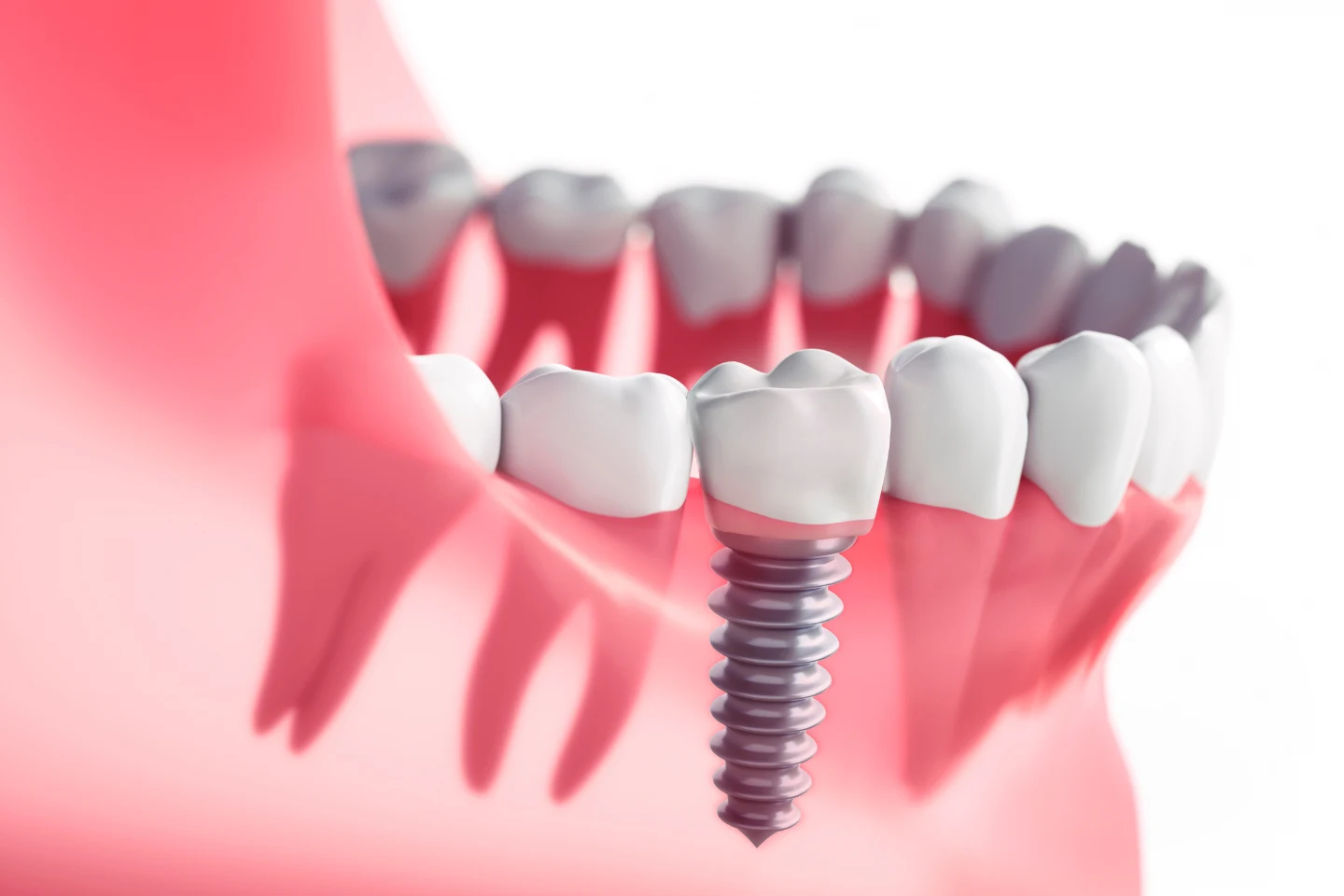
Getting a dental implant is one of the most effective ways to replace a missing tooth: it restores your smile, confidence, and chewing ability. But if your dentist in Fremont has ever told you to avoid dairy products after your implant surgery, you might be wondering why something as harmless as yogurt or milk could be off the table.
After all, dairy is rich in calcium and protein, both essential for strong teeth and bones. So, what’s the reason behind this surprising advice?
Let’s dive into the science of healing after implant surgery and understand why no dairy after dental implants is an important part of a smooth recovery.
Understanding What Happens After a Dental Implant Surgery
A dental implant involves placing a titanium post into your jawbone. This post acts as an artificial tooth root that supports a crown. After surgery, your body starts a process called osseointegration, where bone cells grow around the implant and anchor it firmly.
If you’re considering treatment for a missing tooth, learning about single tooth implant options can help you understand how the process works and what to expect during healing.
This healing phase is crucial and can take several weeks to months. During this time, the goal is to:
- Prevent infection
- Reduce inflammation
- Allow undisturbed bone and gum healing
Your diet plays a big role here; eating the right foods helps healing, while the wrong ones can delay recovery or cause complications.
So, Why Should You Avoid Dairy After Dental Implant Surgery?
While dairy isn’t inherently “bad,” it can cause temporary reactions in your mouth that interfere with the healing process. Here are the main reasons:
a) Dairy Can Increase the Risk of Infection
After surgery, your mouth is vulnerable. Dairy products like milk, yogurt, or cheese can promote bacterial growth due to their natural sugar content (lactose) and tendency to cling to oral tissues. If bacteria multiply near your implant site, it could lead to infection or inflammation, slowing down healing.
b) Milk Can Trigger Nausea or Vomiting Post-Surgery
Many patients experience mild nausea from anesthesia or pain medications. Dairy can intensify nausea, especially milk-based drinks or shakes. Vomiting can disrupt the surgical site, dislodge blood clots, or expose the wound to stomach acids, all of which can delay healing.
c) Dairy May Interfere with Antibiotics or Post-Op Medications
Some antibiotics (like tetracycline or ciprofloxacin) prescribed after implant surgery may interact with calcium in dairy, reducing the medication’s absorption and effectiveness. To ensure your antibiotics work properly, it’s best to avoid dairy for a few days after surgery.
If you’re curious about the different types of implants available, including All-on-4 or full arch replacements, explore our page on full mouth dental implants for a comprehensive overview.
d) Possible Immune Reaction
Some people have mild dairy sensitivities or lactose intolerance that can cause inflammation, congestion, or mucus buildup. This can make it uncomfortable to breathe or swallow, which is not ideal when you’re recovering from oral surgery.
e) Risk of Dry Socket or Disrupted Clot Formation
Immediately after surgery, blood clots form to protect the wound and begin healing. Consuming dairy products that are too cold or thick can sometimes disturb these clots if the suction or swallowing motion is too strong, potentially leading to a dry socket, a painful complication.
f) Temperature Sensitivity Can Make Cold Dairy Uncomfortable
There's also a simpler reason that has nothing to do with bacteria or medication: temperature. A fresh surgical site is tender, and something as cold as ice cream or milk straight from the fridge can trigger a sharp ache that has nothing to do with healing risk — it's just nerve sensitivity. Room-temperature or lukewarm foods tend to sit better for the first few days, dairy or not.
What to Eat Instead: Soft, Non-Dairy Foods for a Smooth Recovery
You still need nourishing food to heal, but the trick is to choose soft, non-irritating, and nutrient-rich options. Here’s what dentists in Fremont typically recommend after implant surgery:
Safe, Non-Dairy Options
- Mashed Potatoes or Sweet Potatoes – comforting, soft, and filling
- Oatmeal or Cream of Wheat – gentle on gums, packed with fiber
- Scrambled Eggs or Soft Tofu – rich in protein and easy to chew
- Soups and Broths – warm (not hot!) soups are soothing and hydrating
- Smoothies (without milk) – blend bananas, spinach, or berries with oat or almond milk
- Avocado – creamy and full of healthy fats
- Steamed Vegetables – soft carrots, peas, or pumpkin for added vitamins
Avoid crunchy, sticky, spicy, or hot foods until your dentist gives the all-clear. If you’re budgeting for your treatment, understanding dental implant cost factors can help you plan effectively while maintaining a healthy post-surgery diet.
Hydration Is Key
Drink plenty of water to stay hydrated and support healing. Avoid using straws for the first few days; the suction can dislodge clots and affect your implant site.
When Can You Have Dairy Again?
Most dentists in Fremont, including our team at Fremont Star Dental, recommend avoiding dairy for about 48–72 hours after your dental implant surgery. Once your initial healing is complete and your gums start to close up, you can gradually reintroduce dairy, starting with low-fat, pasteurized yogurt or milk in small quantities.
Your dentist will assess your healing progress during your follow-up appointment and let you know when it’s safe to resume your normal diet.For long-term success, it’s helpful to read about how long dental implants last and how proper care affects their lifespan.
Here's the wrinkle nobody mentions: calcium is exactly what your jawbone needs to actually bond with the implant. Osseointegration depends partly on adequate calcium and vitamin D (the research backs that up). So the advice isn't “dairy is bad” — it's “dairy is bad for the first two or three days.” After that window, most dentists want you back on calcium-rich foods, not away from them. If anything, cutting dairy for weeks straight could work against healing, not for it.
Implant Healing Tips from Fremont Star Dental
To ensure your implant heals properly and lasts a lifetime, follow these simple post-op care tips:
a) Follow Medication Instructions Carefully
Take all prescribed antibiotics and painkillers exactly as directed. Avoid dairy-based foods or drinks when taking antibiotics that may interact with calcium.
b) Keep the Surgical Area Clean
Use a gentle rinse (saltwater or as prescribed) after 24 hours to keep bacteria away. Avoid brushing the surgical site for a few days to prevent irritation.
c) Avoid Smoking and Alcohol
Both can slow down healing and increase the risk of implant failure. Steer clear until your dentist approves.
d) Rest and Avoid Strenuous Activity
Healing requires energy. Get enough rest and avoid heavy workouts for at least 2–3 days post-surgery.
e) Attend Follow-Up Appointments
These visits help your dentist monitor bone integration and detect any early signs of infection or gum issues.
You can also explore the advantages of dental implants to understand why proper healing and aftercare are essential for long-term results.
The Bigger Picture: Why Post-Op Diet Matters for Implant Success
A dental implant’s success depends not just on surgical precision but also on your body’s healing environment. Good nutrition, hydration, and oral hygiene all contribute to osseointegration, the process that fuses your implant to your jawbone. By avoiding dairy and choosing safe alternatives, you reduce the risk of infection, discomfort, and delayed healing, helping your implant integrate securely and last for decades.
Why Choose Fremont Star Dental for Dental Implants in Fremont?
At Fremont Star Dental, we believe in providing gentle, personalized care every step of the way. Our experienced dental team uses advanced implant technology and a family-focused approach to make your experience comfortable and stress-free.
Whether you’re missing one tooth or several, our dental implant treatments are designed to:
- Restore your smile’s appearance and function
- Prevent bone loss and preserve facial structure
- Offer long-term comfort and stability
From your first consultation to post-op care, we guide you through every stage of your smile restoration journey, including dietary and recovery advice tailored to your needs.
Conclusion
Avoiding dairy after a dental implant might seem like a small detail, but it’s an important part of ensuring your surgery heals smoothly. By skipping milk, cheese, and yogurt for just a few days and focusing on gentle, nutrient-rich foods, you’re giving your implant the best possible start.
Remember, every mouth heals differently. Always follow your dentist’s instructions and reach out if you experience pain, swelling, or discomfort. Your new smile deserves the best care, and we’re here to make sure it shines for years to come.
Ready to Restore Your Smile with Dental Implants in Fremont?
Visit Fremont Star Dental today to schedule your consultation and start your journey toward a confident, healthy smile.
FAQs on Avoiding Dairy After Implants
1. Why do dentists recommend avoiding dairy after dental implant surgery?
Dentists often advise avoiding dairy for the first 48–72 hours after implant surgery because dairy products may increase bacterial growth, contribute to nausea, or interfere with certain antibiotics. Dairy can also irritate the healing site in some patients. Temporary avoidance helps create an optimal environment for healing.
2. How long should I avoid dairy after getting dental implants?
Most patients are advised to avoid dairy for about two to three days after surgery, depending on their healing progress and dentist’s recommendations. Once the initial healing stage is stable, dairy can usually be reintroduced gradually. Always follow your dentist’s personalized instructions.
3. Can dairy really cause dental implant complications?
While dairy itself does not directly cause implant failure, it may contribute to discomfort, bacterial buildup, or medication interactions during early recovery. These factors can potentially slow healing or increase complication risks. Avoiding dairy temporarily is a precautionary measure.
4. What are the best foods to eat after dental implant surgery?
Soft, non-dairy foods such as mashed potatoes, oatmeal, scrambled eggs, broths, smoothies with plant-based milk, and soft vegetables are ideal after surgery. These foods provide nutrients while minimizing irritation to the surgical site. Gentle nutrition supports faster recovery.
5. Is yogurt safe after dental implants?
Although yogurt is soft and easy to eat, many dentists still recommend avoiding it during the first couple of days due to its dairy content and potential bacterial effects. After the initial healing period, yogurt can often be reintroduced gradually if approved by your dentist.
6. Can dairy interfere with medications after implant surgery?
Yes, certain antibiotics prescribed after dental implant surgery may interact with calcium found in dairy products, reducing medication absorption and effectiveness. This is one of the key reasons dentists recommend temporary dairy avoidance. Proper medication absorption is essential for infection prevention.
7. What happens if I accidentally consume dairy after dental implant surgery?
Consuming dairy accidentally is not usually an emergency, but it’s best to monitor for any nausea, irritation, or digestive discomfort. Continue following your post-op care instructions and inform your dentist if you experience unusual symptoms. Minor exposure does not automatically mean complications.
8. When can I safely return to my normal diet after dental implants?
Most patients gradually return to a regular diet after several days to a week, depending on healing progress and comfort levels. Hard, crunchy, or irritating foods should still be avoided until your dentist confirms adequate healing. A cautious return to normal eating helps protect implant success.