.svg)

.svg)
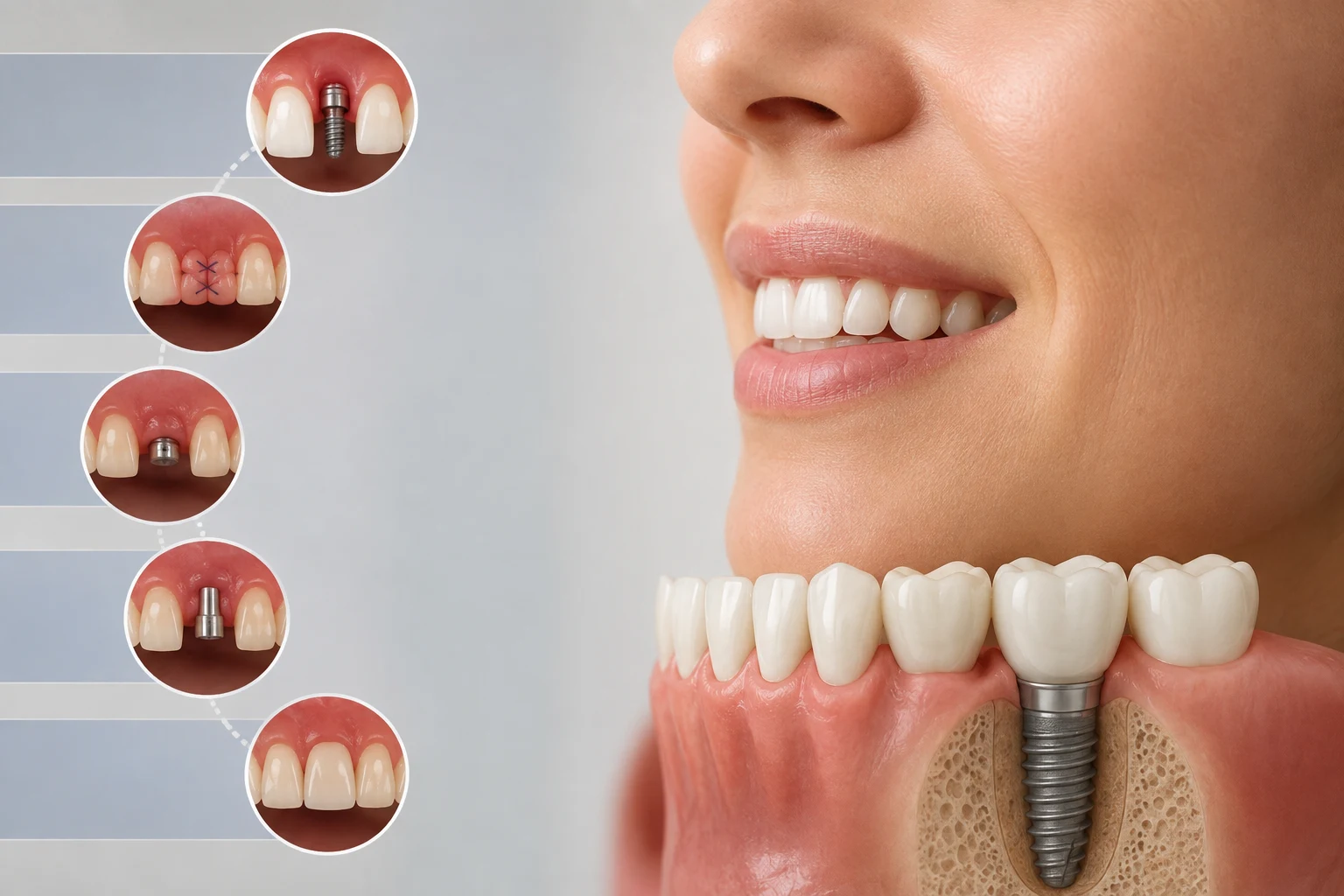
Sarah sat in her car after implant surgery, staring at her post-op instructions, feeling more than a little overwhelmed. Her cheek was already swelling. She had a list of medications to keep straight and genuinely no idea what the next few weeks would look like. Would she eat normally by the weekend? Go back to work Monday? Was that throbbing normal, or should she call the dentist?
Sound familiar? If you're staring down implant surgery, or you just had it done, you've probably asked some version of Sarah's questions. Most people preparing for dental implants near Fremont have. Here's the thing: recovery isn't a mystery, but it also isn't the same for everyone. Below is a general week-by-week breakdown based on typical healing patterns, so you know roughly what to expect, and when something's worth a call to your dentist.
The First 24 to 48 Hours
This is usually the roughest stretch. But it's short. Swelling, minor bleeding, and tenderness around the implant site are common and expected. Most people manage discomfort with over-the-counter pain relievers, or a short course of prescription medication if needed. Ice packs applied in intervals during that first day help keep swelling in check.
Eating during this window means soft foods. Think yogurt, mashed potatoes, smoothies (skip the straw, since suction can disturb the healing site), and broth-based soups. For more guidance on your diet, read our guide on what to eat after dental implant surgery. Rest matters here too.Sarah, for example, took the rest of that first day off and kept her head elevated while resting, which helped cut down the throbbing overnight.
What's Normal vs. What's Not
Some oozing of blood mixed with saliva, mild bruising, facial puffiness. All typical. What's not typical: severe pain that gets worse after day two, fever, or heavy bleeding that won't quit. If any of that shows up, call your dentist. Don't wait it out.
Week 1: Settling Into the Healing Process
By day three or four, swelling usually starts easing up, though bruising might still linger on the skin near the surgical site for a few more days. Most people can get back to non-strenuous work or their normal routine by day three or four, depending on how their body's responding and how physical their job is.
Oral hygiene matters a lot this week. Gentle brushing away from the implant site, plus whatever rinse your dentist prescribed (often a salt water rinse or antimicrobial mouthwash), keeps things clean without disturbing the healing tissue. Soft foods are still the plan, though by the end of the week, most people can work in slightly firmer things like scrambled eggs or pasta.
By day seven, a lot of people feel noticeably more like themselves. There might still be mild tenderness at the site, but the acute discomfort has mostly faded after dental implant treatment.
Weeks 2 to 4: Early Healing Continues
This stretch is quieter. Visible swelling and bruising should be gone by the start of week two for most people. The site keeps healing beneath the surface, and this is when the implant starts fusing with the jawbone, a process called osseointegration. You won't feel it happening. But it's the whole foundation of long-term implant stability.
A lot of people ask when they can get back to a completely normal diet at this stage. Honestly, it depends on the case. But many are back to most regular foods by the end of week three or four, still steering clear of anything very hard, crunchy, or sticky that puts pressure on the healing area. Recovery timelines can differ from tooth extraction healing because implants require the jawbone to integrate with the implant.
Follow-up appointments usually land somewhere in this window, so your dentist can check the healing tissue and confirm things are on track. This is also a good time to mention any lingering concerns, even small ones.
Staying Consistent With Care
Consistency beats intensity here. Gentle, regular brushing. Avoiding tobacco (which can slow healing significantly). Keeping up with whatever rinses your dentist recommended. All of it adds up to steady progress. Skipping steps, or getting sloppy with hygiene during this phase, is one of the more common reasons healing gets delayed.
Months 2 to 6: Osseointegration in Progress
This phase takes the most patience, mostly because there's not much to feel or notice day to day. The implant is fusing with the jawbone, and that generally takes anywhere from two to six months depending on bone density, overall health, and where in the mouth the implant sits. Patients who require bone grafting before implant placement may have a slightly longer overall treatment timeline.
People often say this stretch feels anticlimactic. The early recovery symptoms are long gone, but the process isn't done yet. Regular check-ins with your dentist during this window confirm integration is happening the way it should, before moving to the next step.
Placing the Final Restoration
Once osseointegration is confirmed, your dentist moves forward with placing the abutment and the final crown, bridge, or denture, whatever fits your treatment plan. This part is generally quick, and far less involved than the initial surgery. Most people describe minimal discomfort here, since the site's already healed.
After the restoration goes in, getting used to the new tooth (or teeth) takes a short adjustment period, kind of like breaking in a new pair of shoes. Chewing patterns, speech, bite alignment. All of it typically settles within a couple of weeks. With proper care, you can also learn how long dental implants last and what helps maximize their lifespan.
Factors That Can Affect Your Timeline
Not every recovery follows the same schedule. Age. Bone density. Whether bone grafting was needed beforehand. Smoking status. How closely you followed post-op instructions. All of these can shift the timeline a bit. People managing conditions like diabetes may also see a somewhat longer healing stretch. None of this means something's wrong. It just means healing is individual, and your dentist will adjust guidance based on how your case is actually progressing.
Ready to Get Started?
Look, if you're considering dental implants, or you're already scheduled and just want a clearer picture of what's ahead, Fremont Star Dental is here to walk you through it. Whether you need a single tooth implant or another tooth replacement solution, every recovery looks a little different, and having a dental team that checks in with you at each stage makes a real difference in how confident you feel along the way. Reach out to Fremont Star Dental to schedule a consultation or ask questions about your upcoming procedure. If you're near Fremont, CA and exploring tooth replacement options, you're welcome to book a visit and get guidance built around your specific situation.
FAQs About Dental Implant Recovery
How long does dental implant recovery take overall?
Initial healing usually takes one to two weeks, while full osseointegration with the jawbone can take two to six months before the final restoration goes in. Total timelines vary based on individual healing and how complex the treatment is.
Is dental implant surgery painful?
Most people report manageable discomfort rather than severe pain, especially with good aftercare and prescribed or over-the-counter pain relief. Discomfort typically peaks in the first two days, then steadily improves.
When can I eat normal food again?
Soft foods are the plan for the first week, with a gradual return to more regular textures over the following two to three weeks. Skip anything very hard or sticky until your dentist confirms the site's healed enough.
What happens if I smoke during recovery?
Smoking can slow healing and raise the risk of implant complications, including osseointegration failure. Dentists generally recommend avoiding tobacco products through the entire healing process.
How do I know if something is wrong during recovery?
Worsening pain after the first few days, fever, heavy bleeding that won't stop, or swelling that just won't subside. Those are your signs to call. Mild swelling, bruising, and tenderness in the first week are normal.
Will I need multiple appointments during the healing process?
Yes. Follow-up visits are typically scheduled to monitor healing and confirm osseointegration is progressing before the final restoration is placed. These check-ins catch any concerns early.
Can I brush my teeth after dental implant surgery?
Yes, but be gentle around the implant site for the first few days. Continue brushing your other teeth as normal while avoiding direct contact with the surgical area. Your dentist may also recommend a saltwater rinse or an antimicrobial mouthwash to help keep the area clean during healing.
When can I return to work or normal daily activities?
Most people can return to work or normal daily activities within one to three days, depending on the complexity of the procedure and the type of work they do. Strenuous exercise, heavy lifting, and high-impact activities should be avoided for several days or until your dentist says it is safe to resume them.