.svg)

.svg)
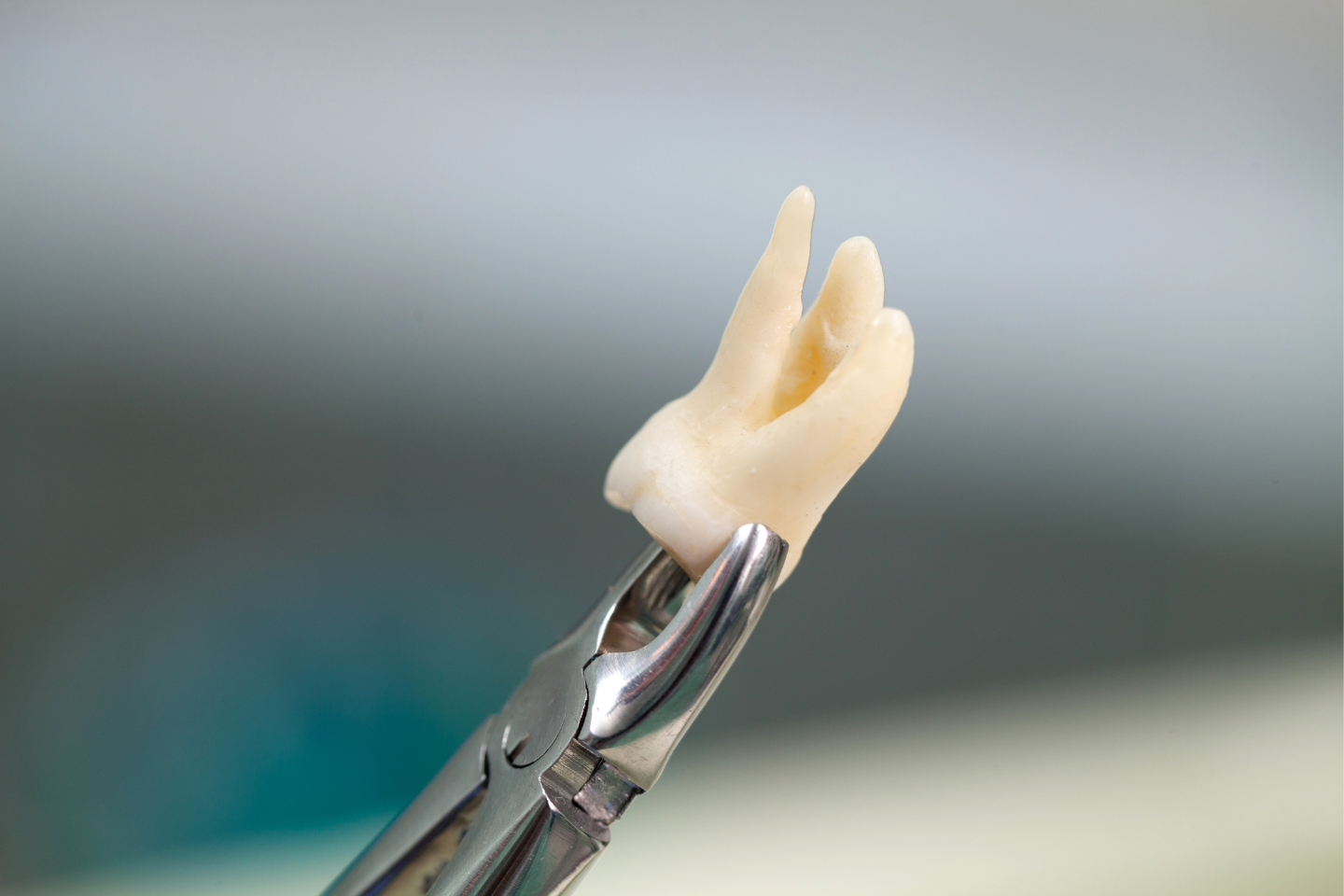
Having a tooth pulled is pretty common, but that does not automatically stop the nerves from showing up beforehand.
You start thinking about the recovery. The soreness. The food situation. And usually one question pops up fast: How long am I going to be dealing with this?
Fair question.
Whether you need a tooth removed because of severe decay, orthodontic treatment, or troublesome wisdom teeth that have been causing problems for months, healing is usually the part people focus on most. You want to know when you can eat normally again and get back to your routine without thinking about your mouth every five minutes.
Your body starts healing almost immediately after the tooth comes out, but full recovery happens in stages over several weeks. If you are looking for an experienced dentist in Fremont, CA, the team at Fremont Star Dental focuses on making both treatment and recovery feel as comfortable as possible.
Let's walk through what normally happens after a tooth extraction and what you can expect during healing.
The Immediate Post-Op Phase: The First 24 Hours
The first day matters. A lot.Your main job during these first twenty-four hours is protecting the extraction site and giving your body a chance to start healing properly.
Simple goal. Important job.
The Importance of the Blood Clot
As soon as the tooth is removed, your body forms a blood clot inside the empty socket. That clot is doing much more than people realize.
It acts like a protective layer over exposed nerves and bone while also creating the foundation for new tissue growth. If the clot gets disturbed too early, a painful problem called dry socket can happen.
And honestly, that can really throw things sideways.
Managing Bleeding and Swelling
Some bleeding or light oozing during the first few hours is completely normal. Your dentist will usually place gauze over the area and ask you to bite down with steady pressure. That pressure helps stabilize the clot while healing gets started.
Swelling is common too. You may notice your cheek feeling puffy or your jaw looking slightly fuller than usual.
The fix?
Use an ice pack on the outside of your face for twenty minutes on and twenty minutes off during the first day. It can help reduce swelling before it hits its peak around the first forty-eight hours.
The First Week: Tissue Repair and Soft Food Diet
Once you move past day one, things usually start feeling better little by little. Not instantly. But steadily.
Days 2 Through 4
By the second or third day, swelling often begins settling down and any remaining bleeding generally stops.
Your jaw might still feel sore or stiff. No big deal. Over-the-counter pain relievers or medications from your dental team can often help during this stage.
Meanwhile, the tissue around the socket is already getting to work and beginning to close.
Days 5 Through 7
By the end of the first week, many people notice a big difference. Pain tends to drop significantly, and the extraction site usually starts feeling much more stable.
Others?
If you received non-dissolving stitches, this may also be when you head back to the office for removal.
What to Eat During Week One
Food matters during healing. Really matters.
For the first few days, softer foods are usually the safest choice:
• Smoothies (with a spoon, not a straw)
• Yogurt and applesauce
• Mashed potatoes and avocados
• Scrambled eggs
• Warm smooth soups
As soreness starts improving, you can slowly add foods like pasta, rice, and cooked vegetables back into your routine.
Small steps. No rush.
Weeks Two Through Four: Gum and Structural Healing
By the second week, many people feel pretty normal again.
But here's the thing, healing underneath the surface keeps going even after your mouth starts feeling fine.
Closing the Socket
Between days seven and fourteen, healthy gum tissue keeps growing across the extraction area. Eventually the visible opening closes completely.
Sound familiar? You look in the mirror and think, Okay, I guess I am done healing.
Not quite. Even after the gums close, changes underneath continue.
Deeper Bone Regeneration
Below the gums, your body is rebuilding bone inside the socket where the tooth root used to sit. That process takes much longer.
Bone healing often continues for three to six months before fully maturing. If you are planning on replacing the missing tooth with a dental implant later, this stage becomes a really important part of building support.
The real kicker? You usually do not feel any of this happening at all.
Essential Do's and Don'ts for a Faster Recovery
Recovering well usually comes down to avoiding a few mistakes.Some of them seem small too.
Crucial Things to Avoid
- No straws: Drinking through a straw creates suction that can pull the protective clot out of place.
- Skip smoking and tobacco products: Smoking reduces oxygen flow and slows healing. The suction created during smoking can also increase dry socket risk.
- Avoid crunchy or spicy foods: Chips, popcorn, nuts, and similar foods can get trapped around the extraction site and create irritation.
Healthy Practices to Follow
- Keep your mouth clean: Avoid brushing directly over the extraction site during the first day, but continue cleaning the rest of your teeth normally. After twenty-four hours, gentle warm saltwater rinses can help remove debris.
- Rest and drink plenty of fluids: Look, your body heals better when it is not working overtime. Skip intense workouts and heavy lifting for a couple of days. Easier said than done sometimes, especially if you are balancing work, groceries, your shift, and everything else on the calendar. Still worth it.
If your dentist has recommended a wisdom tooth removal procedure, following these recovery guidelines can help support proper healing and reduce the risk of complications.
Schedule Your Next Visit at Fremont Star Dental Today
Dental treatment can feel overwhelming sometimes. Totally understandable. But you do not have to figure everything out on your own.
At Fremont Star Dental, helping people feel informed and comfortable matters just as much as the procedure itself. Whether you need an evaluation, have questions about an upcoming extraction, or want to explore replacement options, the team is here to help you move forward with confidence.
FAQs on Tooth Extraction Healing Time
How long does it take for a tooth extraction site to heal completely?
Most people notice significant healing within 1 to 2 weeks, with discomfort improving after the first few days. However, complete healing of the underlying bone can take several months, depending on the complexity of the extraction.
When can I eat normal food after a tooth extraction?
Soft foods are recommended for the first few days after the procedure. As tenderness decreases, you can gradually reintroduce firmer foods, but it is best to avoid hard, crunchy, or sticky foods until the extraction site feels comfortable.
What is a dry socket and how can I prevent it?
A dry socket occurs when the protective blood clot at the extraction site becomes dislodged too soon, exposing the underlying bone and nerves. Avoid smoking, using straws, and vigorous rinsing during the first few days to reduce the risk.
Is swelling normal after a tooth extraction?
Yes, mild to moderate swelling is a common part of the healing process. Swelling usually peaks within 48 hours and gradually subsides over the following days. Applying ice packs during the first day can help minimize discomfort.
When can I brush my teeth after a tooth extraction?
You can continue brushing the rest of your teeth the same day, but avoid the extraction site for the first 24 hours. After that, gentle cleaning and saltwater rinses can help keep the area clean while it heals.
How do I know if my extraction site is healing properly?
Normal healing includes gradual reduction in pain, swelling, and tenderness. The gum tissue will slowly close over the socket, and the area should feel more comfortable each day. Persistent pain, swelling, or foul odor may require a dental evaluation.
Can I exercise after having a tooth removed?
It is generally best to avoid strenuous exercise and heavy lifting for at least 24 to 48 hours. Increased physical activity can raise blood pressure and potentially disrupt the blood clot, which may delay healing.
When should I contact my dentist after a tooth extraction?
Contact your dentist if you experience severe pain that worsens after a few days, excessive bleeding, signs of infection, fever, or significant swelling that does not improve. Early treatment can help prevent complications and support a smoother recovery.