.svg)

.svg)
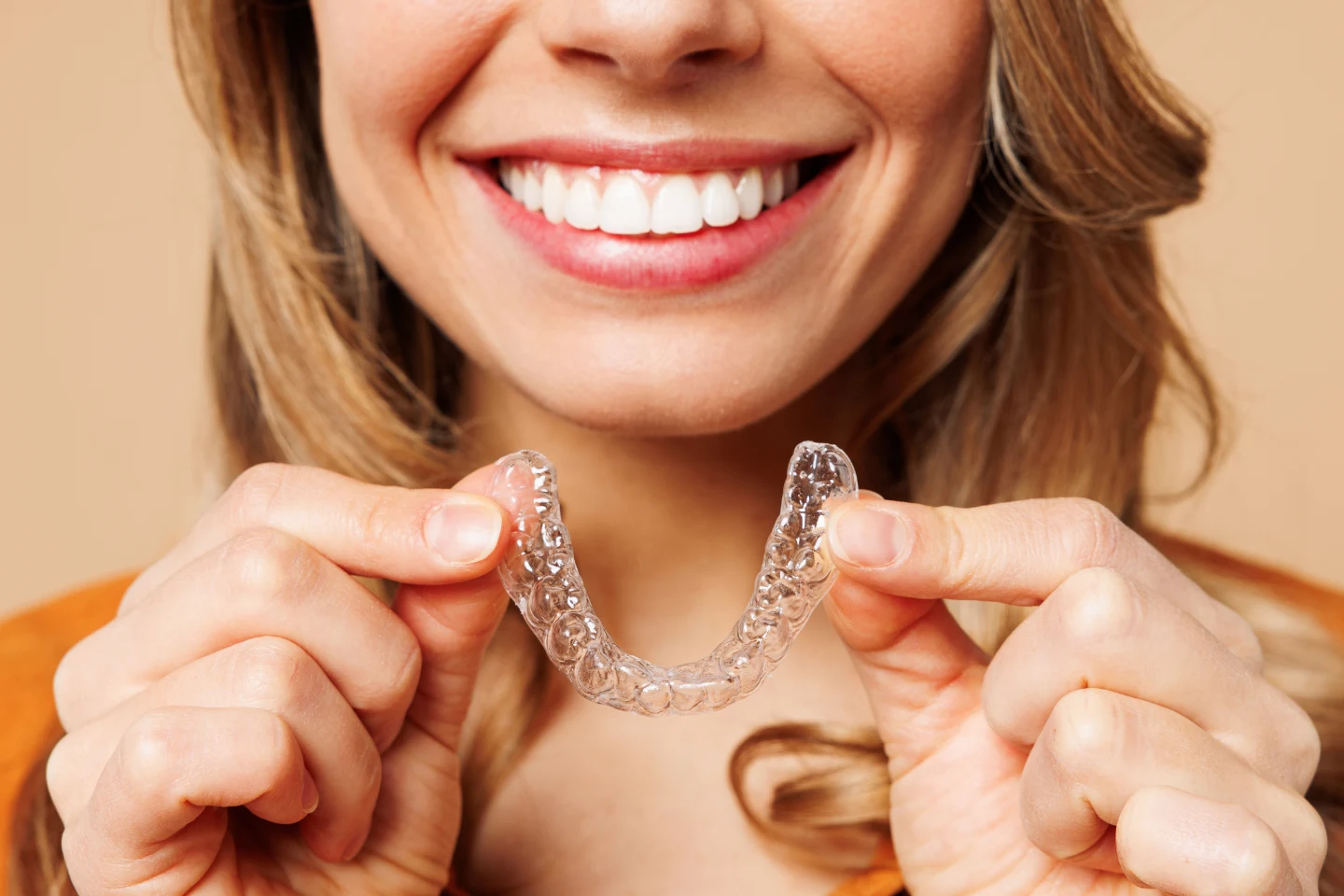
If you're thinking about straightening your teeth with clear aligners, chances are you've already typed some version of "does Invisalign hurt" into a search bar. It's one of the most common questions we hear during consultations at Fremont Star Dental. And it's a fair one. Nobody wants to sign up for months of discomfort without knowing what's actually coming. Here's the honest answer: Invisalign does involve some sensations you'll notice, but "painful" isn't really the right word for most of what you'll feel. Let's walk through the actual experience, step by step, so you're working from facts instead of guessing.
Step One: The First Few Days With a New Tray
When you first snap in a new set of aligners, whether it's your very first tray or your tenth, you'll likely feel pressure. That's the aligner doing its job, gently pushing your teeth toward their next position. Patients usually describe it as a tight, achy feeling rather than sharp pain. It tends to peak within the first day or two. Then it fades.
Here's the thing: that pressure is actually a good sign. It means the tray is applying the exact force needed to shift your teeth gradually. Patients considering Invisalign treatment often find this initial adjustment period manageable with an over-the-counter pain reliever if needed, though plenty of patients don't feel like they need anything at all.
Why This Happens
Each new aligner in your series is shaped slightly differently from the last, moving your teeth incrementally closer to their final position. That small difference (often less than a millimeter) is enough for your periodontal ligaments, the tissue connecting your teeth to your jawbone, to register pressure. Your body is just responding to controlled, gradual movement. That's it.
Step Two: Settling Into a New Tray After Day Three or Four
By the third or fourth day, most patients notice the soreness has mostly disappeared. Your mouth adjusts to the new shape, and daily life (eating, talking, smiling) goes back to feeling normal. This is the pattern you can expect to repeat every one to two weeks when you switch to your next tray in the series.
Some patients tell us the discomfort lessens with each new set as their mouths get used to the rhythm of changing aligners regularly. Others feel a similar level of pressure every single time. Both are completely typical. Neither one means something's wrong with your treatment plan.
What You Might Feel Beyond Pressure
- Aside from the tooth pressure itself, a few other sensations tend to show up during this adjustment window:
- A little soreness in the tongue or cheeks as they get used to the aligner's edges.
- Mild sensitivity to cold or hot foods and drinks for the first day or two.
- A feeling of tightness when you first put the tray back in each morning, or after removing it for a meal.
None of this is typically described as painful. It's more like the awkward newness you'd feel the first few days of wearing a retainer.
Step Three: Attachments and Trimming, Where Some Extra Sensitivity Comes In
Not everyone needs attachments, small tooth-colored bumps bonded to certain teeth to help the aligner grip and move them more precisely. But if your treatment plan calls for them, you might notice some extra tenderness where they're placed. The attachment itself doesn't hurt. It's the aligner edge around it that can feel a little different against your gums until you get used to it.
If you want to understand how these components support tooth movement, our guide to Invisalign attachments explains what they are and why they may be included in your treatment plan.
Same goes for trimming. If your dentist files an aligner edge for comfort, that spot should stop bothering you almost immediately. Bringing up any irritation during a checkup is completely normal, and adjustments can usually happen in the same visit.
Step Four: The First Week of Overall Treatment vs. Months Three Through Six
A lot of patients report that the very first week of Invisalign is when discomfort hits hardest. Makes sense, really. Your mouth hasn't learned the pattern yet: pressure, release, adjustment, repeat. By the time you're several months in, many people say the sensation becomes background noise, something they barely register because their mouth already knows what's coming.
That doesn't mean later trays never cause soreness. If your treatment plan includes bigger movements down the road, like rotating a tooth or closing a gap, you might notice stronger pressure return during those weeks. That's normal too, and it just reflects the specific work being done at that stage.
The overall treatment timeline can vary depending on the complexity of your case, the movements required, and how consistently you wear your aligners.
Step Five: When Discomfort Might Mean Something Else
Mild soreness and pressure? Expected. Sharp pain, swelling, or a tray that just won't sit right? Not typical parts of Invisalign treatment. If you're dealing with any of those, reach out to your dental team instead of waiting it out. Sometimes an aligner edge needs smoothing. Sometimes a tray isn't seated correctly. Usually it's a simple fix, but it's not something you should just push through.
Patients near Fremont, CA, who are working with Fremont Star Dental are encouraged to bring up any unusual discomfort at their regular check-ins. Catching small issues early tends to keep the whole treatment on track.
Practical Ways Patients Manage the Adjustment Period
Over the course of treatment, patients tend to build their own small routines for getting through the pressure days. A few common ones:
- Switching to new trays at night, so the initial soreness happens while you're asleep.
- Using a cold compress or sipping cold water to ease tenderness.
- Taking an over-the-counter pain reliever on day one of a new tray, if needed.
- Sticking to softer foods for the first day after a new aligner goes in.
- Wearing the trays for the recommended amount of time each day. Inconsistent wear can actually prolong discomfort, since your teeth end up having to "catch up" on movement.
None of these are complicated. But they add up to a noticeably smoother adjustment period for a lot of patients.
Ready to Get Started?
If you've been putting off straightening your teeth because you're worried about pain, it might help to just talk through what your specific treatment would actually involve. Every smile is different, and a consultation is the most reliable way to get a realistic picture of your own experience instead of relying on generic expectations. Fremont Star Dental welcomes new and returning patients near Fremont, CA, who want to ask questions, review their options, and figure out whether Invisalign fits their lifestyle and goals. Reach out to schedule a visit and get real answers about what your treatment timeline might actually look like.
FAQs On Whether Invisalign is Painful or Not
Is Invisalign more or less painful than traditional braces?
Many patients describe Invisalign discomfort as milder and shorter in duration than what they've heard about braces, since aligners don't involve wires or brackets rubbing against the inside of the mouth. That said, both treatments come with some adjustment period as teeth move.
How long does aligner soreness usually last?
Most patients notice soreness for one to three days after starting a new tray. After that, it tapers off until the next tray change.
Can I take pain relievers while wearing Invisalign?
Plenty of patients use an over-the-counter pain reliever during the first day or two of a new aligner. If you're not sure what's right for you, check with your dental provider.
What if my aligner is cutting into my cheek or gum?
This can happen sometimes, especially with a brand-new tray. Don't try to file the edge yourself. Instead, call your dental office so they can smooth or adjust it properly.
Will every tray in my series feel the same amount of pressure?
Not necessarily. Some trays involve bigger tooth movements than others, so pressure levels can vary throughout treatment.
Does skipping days of wear make the discomfort worse?
Yes. Inconsistent wear causes your teeth to fall behind the intended movement schedule, which sometimes means more pressure is needed to catch back up once you resume regular wear.
Can Invisalign cause headaches or jaw discomfort?
Some patients may experience mild headaches or jaw discomfort when they first start Invisalign or switch to a new tray. This can happen as your bite and teeth adjust to the aligners. The discomfort is usually temporary, but persistent or severe jaw pain should be discussed with your dentist.
Does Invisalign hurt when you remove or put the aligners back in?
You may notice some pressure or tenderness when inserting or removing a new aligner, especially during the first few days. As your teeth adjust, this sensation typically becomes easier to manage. If an aligner causes significant pain or does not fit properly, contact your dental provider for guidance.