.svg)

.svg)
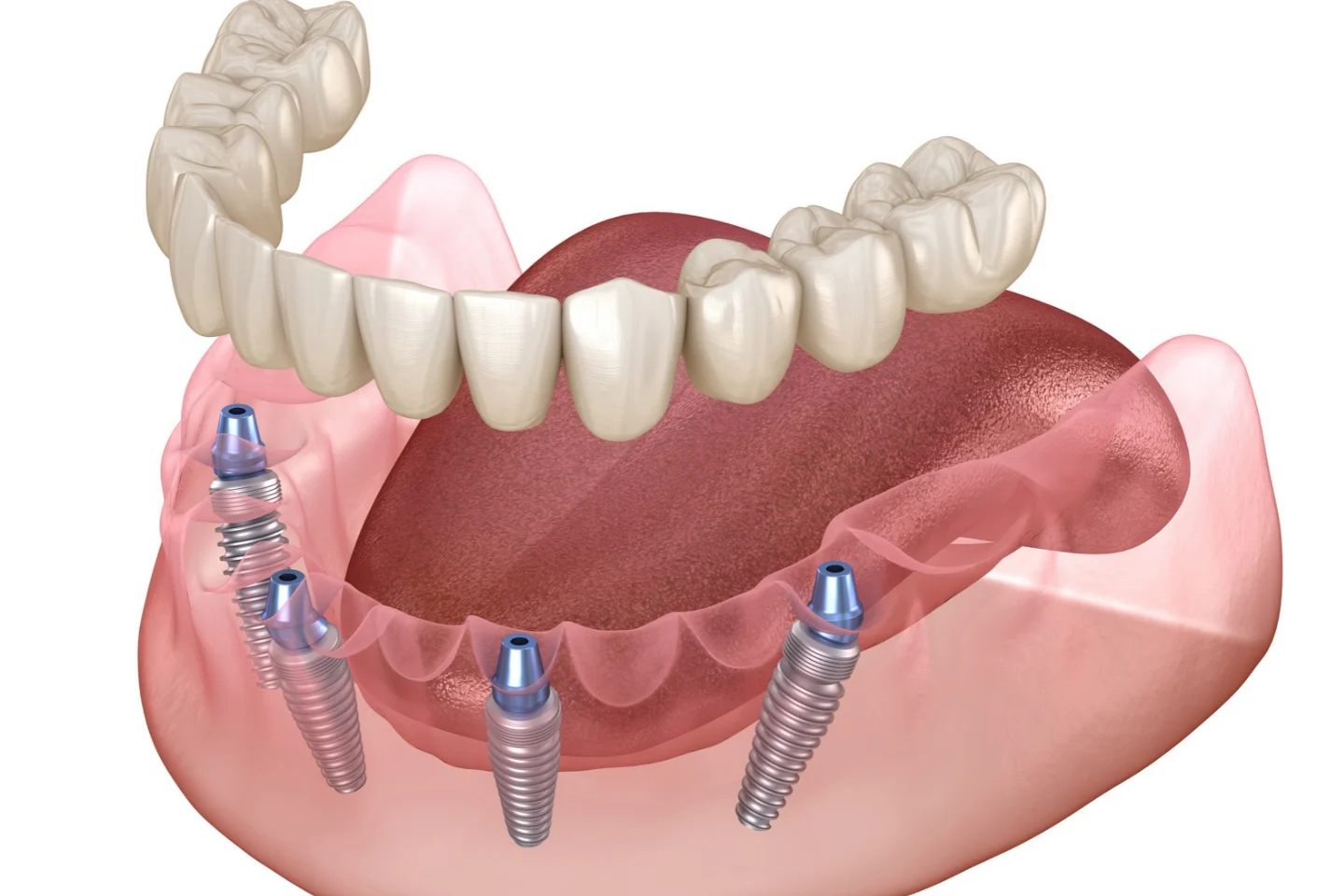
Dental implants can be an effective way to replace missing teeth, restore chewing function, and improve the appearance of your smile. However, the cost of treatment can make patients pause before scheduling a consultation. If you have a Health Savings Account (HSA) or Flexible Spending Account (FSA), you may be able to use those funds to help pay for eligible dental implant expenses.
For patients researching dental implants in Fremont, CA, understanding how these accounts work can make treatment planning easier. Knowing which expenses may qualify, how to check your benefits, and what documentation to keep can help you use your healthcare funds wisely.
At Fremont Star Dental, patients can discuss their dental concerns and explore treatment options suited to their oral health needs and budget.
What Are HSA and FSA Accounts?
HSA and FSA accounts allow eligible individuals to set aside money for qualified healthcare expenses, often using tax advantages. Although both can help cover certain dental costs, they have different eligibility rules and account requirements.
What Is a Health Savings Account?
A Health Savings Account is a tax-advantaged account available to eligible individuals enrolled in a qualifying high-deductible health plan. Contributions can receive favorable tax treatment, and funds can generally remain in the account from year to year.
HSA funds can be used for qualified medical expenses, including many necessary dental treatments. You generally do not need to spend the entire balance within the year you contribute it.
What Is a Flexible Spending Account?
A Flexible Spending Account is generally offered through an employer's benefits program. Employees can contribute money through payroll deductions, usually on a pretax basis, to cover eligible healthcare expenses.
Unlike HSAs, FSAs typically have a use-it-or-lose-it rule. However, some employers offer a permitted carryover or grace period, subject to applicable rules and plan terms.
If you have an FSA, check your plan's deadline before scheduling treatment. You should also confirm when expenses must be incurred and submitted for reimbursement.
Can You Use HSA or FSA Funds for Dental Implants?
In many cases, yes. Dental implants may qualify as an eligible medical expense when the treatment is intended to address a dental health problem, such as replacing missing teeth or restoring chewing function.
The precise eligibility of an expense depends on applicable tax rules and your circumstances. Your account administrator can help confirm how your plan handles particular charges.
Which Dental Implant Expenses May Qualify?
Depending on the treatment and applicable rules, eligible expenses may include:
- Dental examinations related to implant treatment.
- Diagnostic imaging required for treatment planning.
- Tooth extraction when medically or dentally necessary.
- Dental implant placement.
- Implant abutments and restorative crowns.
- Implant-supported bridges or dentures.
- Necessary preparatory procedures, such as bone grafting.
Eligibility can depend on the nature of the procedure and how the expense is documented. Ask your dentist and benefits administrator to clarify which components of your treatment plan qualify.
Are Cosmetic Dental Procedures Eligible?
Dental treatment intended primarily to improve appearance may receive different tax treatment from treatment needed to address a dental health problem.
For example, a dental implant used to replace a missing tooth may qualify as a medical expense. A procedure performed solely for cosmetic reasons may not qualify.
If your treatment plan combines restorative and cosmetic services, ask your account administrator to review the individual charges rather than assuming every service is eligible.
Can You Use an HSA or FSA for the Entire Cost of Dental Implants?
You may be able to use available HSA or FSA funds for the full cost of eligible implant treatment, provided the expenses qualify and your account has sufficient funds.
However, there is no guarantee that every item in an implant treatment estimate will be eligible. You should also consider your available balance, insurance benefits, and other household healthcare expenses.
Understanding the Total Cost of Treatment
Dental implant treatment can involve several stages, each with its own cost. Your estimate may include the implant, the abutment, the final crown, imaging, extraction, or additional procedures.
A written treatment plan can help you distinguish between the different charges and identify which expenses may qualify for HSA or FSA payment.
If you have dental insurance, ask whether the plan covers any part of your treatment. Insurance benefits and HSA or FSA funds may be used together when permitted, but you cannot receive reimbursement twice for the same expense.
How to Use Your HSA or FSA for Dental Implants
A little preparation can make the payment process more straightforward.
Step 1: Request a Written Treatment Plan
Schedule a dental consultation to discuss whether implants are appropriate for your needs. Ask for an itemized estimate that identifies the recommended procedures and their individual costs.
If you need multiple treatments, request a breakdown of each stage.
Step 2: Confirm Eligibility With Your Plan Administrator
Contact your HSA or FSA administrator before making payment. Ask whether the proposed procedures qualify and whether any additional documentation is required.
For an FSA, check the applicable plan year, submission deadline, and rules about when the expense must be incurred.
Step 3: Check Your Available Balance
Review your account balance and determine how much you can reasonably allocate toward treatment.
For an HSA, confirm that you have sufficient available funds. For an FSA, check your plan's reimbursement or payment rules.
Step 4: Pay for Treatment and Keep Your Records
Depending on your account, you may be able to use a dedicated payment card or pay out of pocket and request reimbursement.
Keep your itemized receipt, treatment plan, proof of payment, and any supporting documentation. Your administrator may request these records to verify that the expense qualifies.
Step 5: Review Your Account Statements
Check that the payment or reimbursement was processed correctly. If an expense is denied, ask your administrator why and whether additional documentation can resolve the issue.
Do not assume that a payment card automatically confirms that an expense is tax-qualified.
What If Your HSA or FSA Does Not Cover All Implant Costs?
If your available funds are not enough to cover your dental implant treatment, you may have other options.
Check Your Dental Insurance
Some dental insurance plans may contribute toward specific components of implant treatment. Coverage varies widely, and policies may include exclusions, waiting periods, annual maximums, or alternative-benefit provisions.
Ask your insurer for a written explanation of benefits before committing to treatment.
Ask About Payment Arrangements
Depending on the dental office's policies, payment plans or third-party financing may be available. Review interest rates, fees, repayment periods, and eligibility requirements before agreeing to a financing arrangement.
Consider Treatment Timing
If your dental condition allows, your dentist may be able to discuss a staged treatment plan. However, postponing treatment is not appropriate in every case, especially when infection, pain, or other oral health concerns are present.
Ask your dentist which procedures are time-sensitive and which can safely be scheduled later.
Common HSA and FSA Mistakes to Avoid
Using healthcare funds effectively involves more than checking your account balance.
- Assuming every dental service qualifies: Confirm eligibility for each expense.
- Ignoring FSA deadlines: Check your plan's rules for the applicable year.
- Discarding receipts: Retain records in case your administrator requests proof.
- Double reimbursement: Do not seek reimbursement for an expense already paid or reimbursed by another source.
- Confusing account rules: HSAs and FSAs have different eligibility and spending requirements.
- Overlooking your insurance: Determine whether your dental benefits can reduce your out-of-pocket costs.
Explore Your Dental Implant Options at Fremont Star Dental
If missing teeth are affecting your comfort or confidence, a dental consultation can help you understand your treatment options and the associated costs.
Fremont Star Dental can help you discuss your dental needs, review a proposed treatment plan, and identify the questions to ask your benefits administrator about eligible expenses. Contact the office to learn more about dental implant care.
FAQs on HSA or FSA for Dental Implants
Q1: Can I use my HSA to pay for dental implants?
A: Dental implants may qualify as HSA expenses when they meet the applicable requirements for qualified medical care. Confirm the eligibility of each procedure with your account administrator and keep supporting documentation.
Q2: Can I use my FSA for dental implant surgery?
A: FSA funds may be used for eligible dental implant treatment, subject to applicable rules and your employer's plan terms. Check the available balance, reimbursement process, and deadlines before scheduling treatment.
Q3: Can HSA funds cover a dental implant crown?
A: An implant crown used to restore a missing tooth may qualify as an eligible dental expense. Ask your administrator to confirm eligibility based on your specific treatment and documentation.
Q4: Can I use HSA funds for cosmetic dentistry?
A: It depends on the purpose of the treatment. Procedures intended primarily for cosmetic improvement may not qualify, while treatment addressing a dental health problem may be eligible under applicable rules.
Q5: Can I use dental insurance and an HSA or FSA together?
A: You may be able to combine these benefits when permitted, but you cannot receive reimbursement twice for the same expense. Coordinate insurance payments and account withdrawals carefully.
Q6: What documents should I keep when paying for dental implants?
A: Keep your itemized treatment estimate, receipts, proof of payment, insurance statements, and any supporting documents requested by your administrator.
Q7: What happens if my FSA balance expires before treatment?
A: FSA carryover and grace-period rules depend on your employer's plan and applicable limits. Check your plan documents and deadline before making treatment arrangements.
Q8: Should I ask my dentist or HSA administrator about eligibility?
A: Ask your dental office for a detailed treatment plan and your account administrator about tax and plan eligibility. A tax professional can help clarify questions about your individual tax situation.