.svg)

.svg)
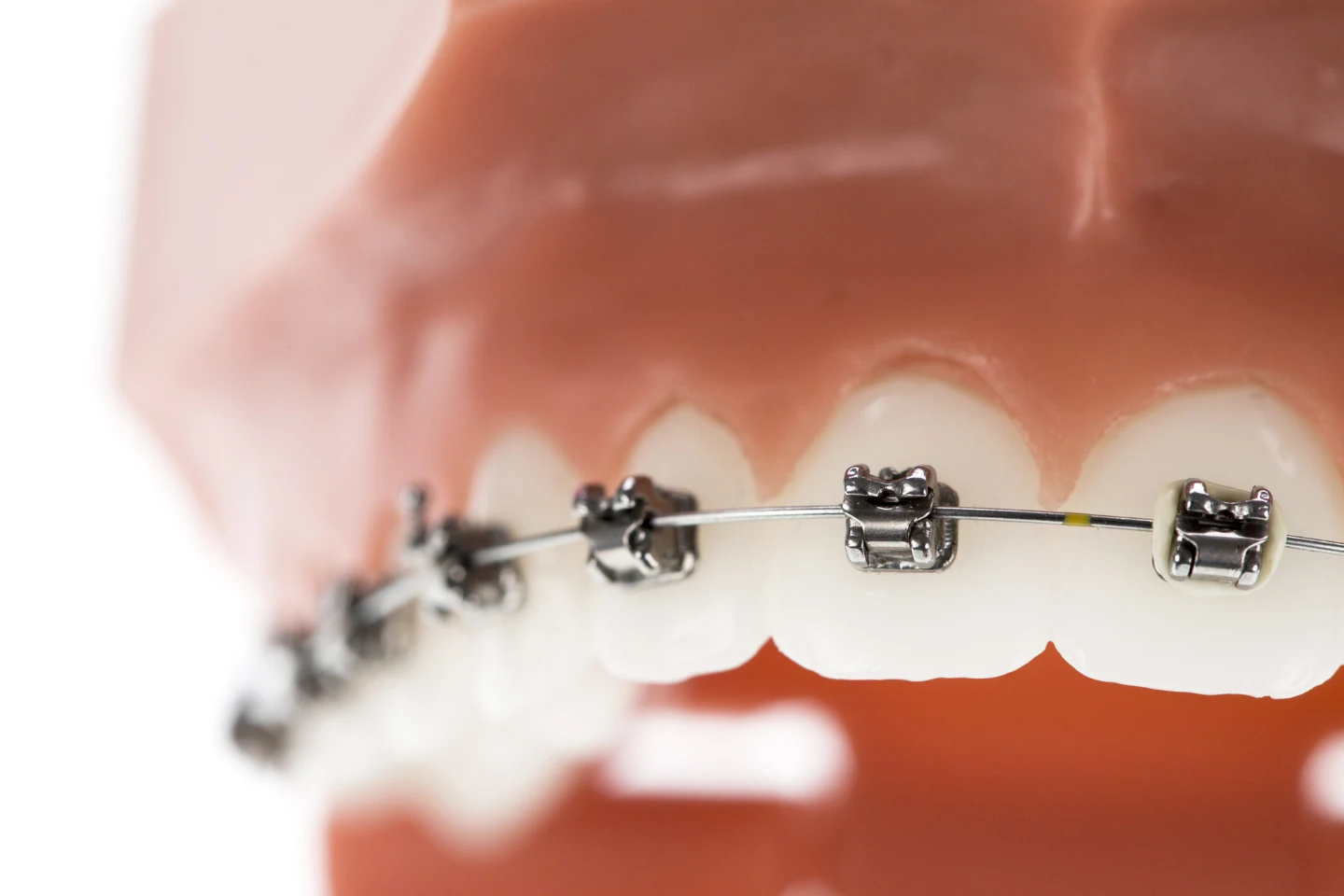
Orthodontic treatment is not just about straightening teeth. It plays an important role in correcting bite abnormalities, preventing future dental complications, improving speech, and supporting long-term oral health. One of the most common questions patients and parents ask at Fremont Star Dental is whether Medicaid may help cover orthodontic care in Fremont. Coverage depends on the patient’s age, the severity of the orthodontic issue, and whether treatment is considered medically necessary. Understanding eligibility requirements and the approval process can help families make informed decisions and reduce treatment delays.
Orthodontic treatment through Medicaid is available, but approval remains limited; for example, just 1.3% of Medicaid‑enrolled children in Washington State initiated orthodontic treatment in 2012, highlighting how strict eligibility and medical‑necessity criteria affect actual utilization.
When Does Medicaid Cover Orthodontics?
In California, Medicaid operates through Medi-Cal, while Denti-Cal provides dental benefits, including certain orthodontic services. Coverage is not automatic and is generally not available for cosmetic purposes. Medi-Cal may provide orthodontic benefits for children and teens under age 21 when there is documented proof that the condition causes significant functional or health-related concerns.
Before treatment can be approved, an orthodontic evaluation is usually required. This often includes X-rays, photographs, and professional documentation demonstrating how the bite or alignment issue affects oral health, speech, chewing ability, or jaw function. The state evaluates whether the condition represents more than a cosmetic concern and requires medically necessary intervention.
Coverage is more likely when patients have conditions such as:
- Severe crossbite
- Deep overbite
- Open bite affecting speech
- Major crowding that impacts oral hygiene or chewing
- Jaw alignment problems that interfere with normal oral function
If untreated, these issues may contribute to gum disease, TMJ discomfort, abnormal tooth wear, and difficulty maintaining oral hygiene. These long-term health risks often strengthen medical necessity claims.
For adults, Medicaid orthodontic coverage is significantly more limited. Approval is typically reserved for severe medical situations such as congenital defects, trauma recovery, reconstructive procedures, or other serious functional impairments. In most adult cases, orthodontic treatment is considered elective and is not covered.
If you are trying to determine whether your child or family member may qualify, reviewing benefits carefully and consulting with an experienced dental provider can be extremely valuable. Our office can help you understand eligibility requirements and guide you through documentation submission. For broader insurance guidance, review our insurance and orthodontic benefits resource.
Orthodontic Treatment Options at Fremont Star Dental
Once eligibility or alternative payment planning is determined, patients can explore treatment options based on their orthodontic needs, lifestyle, and long-term goals. Fremont Star Dental offers a variety of personalized orthodontic services for children, teens, and adults.
Traditional Metal Braces
For significant alignment or bite concerns, traditional braces remain one of the most reliable and effective treatment methods. They allow precise adjustments and are often recommended for younger patients or those with more complex orthodontic conditions. Learn more about our traditional braces solutions for comprehensive correction.
Invisalign Clear Aligners
For patients seeking a more discreet treatment option, Invisalign offers removable clear aligners that fit comfortably into everyday life. Many teens and adults appreciate the flexibility and appearance benefits of this modern orthodontic approach.
If Medicaid Does Not Approve Coverage
If Medicaid does not cover orthodontic treatment, there are still several practical paths forward. Fremont Star Dental works closely with families to create affordable solutions that support both dental health and financial needs.
Alternative options may include:
- Flexible monthly financing plans
- Phased treatment approaches
- Invisalign Express for mild cases
- Seasonal discounts or promotional savings
- Preventive dental care to reduce future complications
For families with braces, understanding proper maintenance is essential. This helpful guide on braces-friendly food choices can support better treatment outcomes.
Why Families Choose Fremont Star Dental
Dr. Uma Patel and the Fremont Star Dental team prioritize long-term oral health, patient comfort, and accessible care. Because patients can receive orthodontic, preventive, and restorative services under one roof, families often appreciate the convenience of comprehensive care without outside referrals.
Need Help Understanding Medicaid Rules?
If you have questions about Medicaid orthodontic coverage, Fremont Star Dental can help clarify eligibility guidelines, prepare required documentation, and explain your alternatives if approval is denied. Whether you are exploring braces for your child or researching orthodontic options for yourself, our team is committed to helping you understand every available path.
Schedule a Consultation for Orthodontic Care
If you are researching whether Medicaid covers orthodontic treatment in Fremont or comparing different treatment approaches, Fremont Star Dental is here to support your next step. From insurance navigation to customized orthodontic planning, we aim to make the process as smooth and stress-free as possible.
Scheduling an orthodontic consultation is one of the best ways to gain clarity, understand treatment options, and move forward with confidence.
FAQs on Medicaid Coverage for Orthodontics
1. Does Medicaid cover braces for children in Fremont?
Yes, Medicaid through Medi-Cal/Denti-Cal may cover braces for children and teens under 21 if the orthodontic condition is medically necessary. Coverage is generally approved for severe bite problems, jaw abnormalities, or oral health issues that significantly affect function.
2. What qualifies as medically necessary orthodontic treatment under Medicaid?
Conditions such as severe overbites, underbites, crossbites, jaw misalignment, or orthodontic issues affecting speech, chewing, or oral hygiene may qualify. Documentation is essential for approval.
3. Does Medicaid cover Invisalign treatment?
In most cases, Invisalign is not commonly covered because it is often viewed as elective. Traditional braces are typically preferred when medical necessity is established.
4. Can adults get orthodontic coverage through Medicaid?
Adult orthodontic coverage is rare and generally limited to severe medical or reconstructive cases.
5. How do I apply for Medicaid orthodontic coverage?
The process begins with an orthodontic consultation, diagnostic imaging, and documentation submission for state review.
6. What happens if Medicaid denies orthodontic treatment?
Patients may explore payment plans, phased treatment, or alternative orthodontic options to maintain access to necessary care.
7. Are orthodontic consultations covered by Medicaid?
Coverage varies depending on plan structure and provider participation.
8. Why is early orthodontic evaluation important for children?
Early evaluations can identify serious issues before they worsen, improve long-term outcomes, and support stronger Medicaid approval documentation when necessary.