.svg)

.svg)
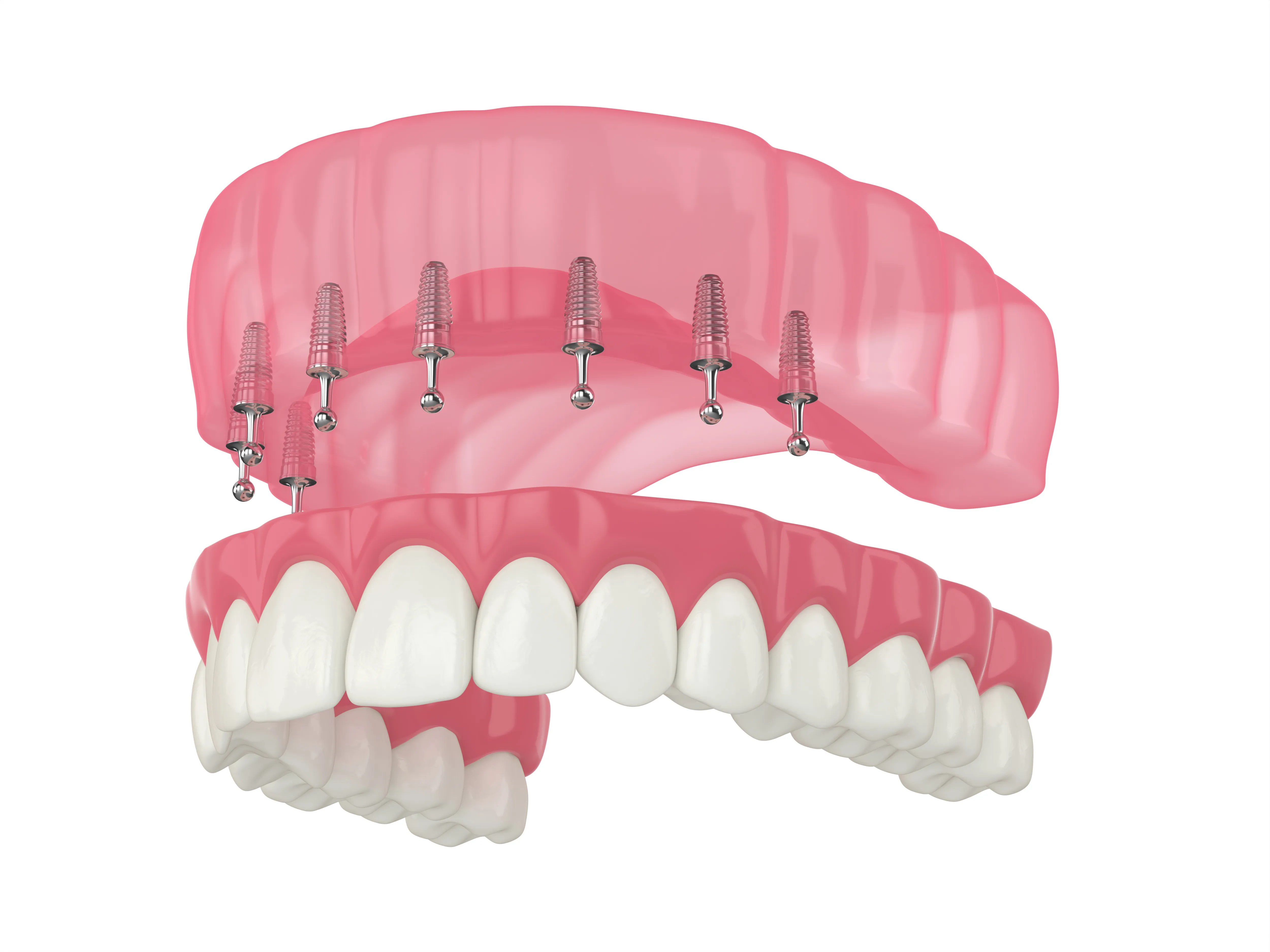
Missing teeth can have serious repercussions beyond just their physical absence; they can impact how you eat, speak and feel about yourself daily. When researching tooth replacement options, one key question often comes up: Are dental implants worth it long term?
Answering honestly, dental implants are definitely worth investing in for most patients. Dental implants offer unparalleled durability, comfort, and long-term value compared to alternative options; oftentimes they become more cost-effective over time while simultaneously improving your quality of life.
Let's examine why.
What Should You Know About Dental Implants?
Dental implants are small titanium posts implanted into the jawbone to act as artificial tooth roots. Once integrated with bone, custom crowns, bridges or dentures can be attached on top to restore both function and appearance of missing teeth.
Contrary to dentures or bridges, implants become part of your mouth - becoming stable and permanent fixtures within it. Learn all about dental implant treatment, from its process and how it works to the surgical component. Here's also an in-depth look at surgical placement of dental implants.
Modern techniques make the process precise and predictable, offering increased control and accuracy to this process.
Why More Patients Are Opting for Dental Implants
Implants consistently stand out when people consider various tooth replacement options; not just due to how they look but because of how well they perform over time.
A Natural Look and Feel
Dental implants are designed to resemble natural teeth in terms of appearance and feel. Once in place, they feel secure, giving you confidence when eating, speaking or smiling with them in place.
Long-Term Durability
One of the biggest advantages is longevity. With proper care, implants can last decades. In fact, studies show dental implants have a success rate of over 95%, making them one of the most reliable tooth replacement options available, according to the American Academy of Implant Dentistry. If you’re wondering about lifespan, here’s more detail on how long dental implants last. If you’re wondering about lifespan, here’s more detail on how long dental implants last.
Protection Against Bone Loss
After losing a tooth, jawbone shrinkage begins. Dental implants stimulate bone cells similarly to natural tooth roots - helping maintain facial structure.
No Impact on Nearby Teeth
Unlike bridges, implants won't compromise healthy adjacent teeth in order to achieve results, thus helping preserve your natural smile and preserve its full beauty. If you want to explore all the benefits in detail, check out the advantages of dental implants.
Cost vs Value: Understanding the Real Investment on Implants
One of the primary concerns patients have when considering healthcare is cost - and they're justified to do so. Yes, dental implants usually carry higher upfront costs compared to bridges or dentures; however, basing decisions solely on this initial cost may be misleading.
The Bigger Picture
- Bridges may need replacement every 10–15 years
- Dentures often require relining, adjustments, or replacement
- Implants are designed to last significantly longer with proper care
Comparing implants vs dentures cost over time, implants usually prove more economical in the long run. Instead of paying for constant replacement and adjustments, invest in something designed for longevity.
To gain more insight into what influences pricing, review detailed dental implant cost information. Many patients are relieved to find that financing options make treatment more accessible than ever expected.
Who Should Consider Dental Implants?
Dental implants are suitable for many adults, but a proper evaluation is always needed.
You may be a good candidate if you:
- Are missing one or more teeth
- Have healthy gums
- Have adequate jawbone density
- Are committed to maintaining oral hygiene
Even if you’ve had missing teeth for a long time, solutions like bone grafting can often make implants possible.
Depending on your situation, your treatment may vary:
- If you’re missing one tooth, a single tooth implant may be ideal
- If you’re missing several teeth, explore options for multiple missing teeth
- For full smile restoration, full mouth dental implants can provide a complete transformation
What Is the Dental Implant Process Like?
Understanding the process can help ease concerns—especially if you’re worried about surgery.
The typical steps include:
- Consultation and digital imaging to assess your bone and plan treatment
- Implant placement, where the titanium post is positioned in the jaw
- Healing phase, allowing the implant to integrate with the bone
- Final restoration, where your new tooth is securely attached
Many patients are surprised by how smooth the experience is. With modern techniques and sedation options, the procedure is often more comfortable than expected.
Dental Implants vs Other Tooth Replacement Options
If you’re comparing options, here’s a clear breakdown to help you decide:
Dental Implants
- Designed to last decades
- Preserve jawbone and facial structure
- Look and feel like natural teeth
- Fixed in place with no slipping
Dental Bridges
- Typically last 10–15 years
- Require support from adjacent teeth
- Do not prevent bone loss
Dentures
- Lower upfront cost
- May require frequent adjustments
- Can shift while eating or speaking
- Do not support bone health
For patients looking for a permanent tooth replacement, implants provide the most stable and natural solution available today.
Life After Dental Implants: What Changes?
Patients often report that implants don’t just restore their smile—they restore their lifestyle.
After treatment, you can expect:
- A stronger, more stable bite
- The ability to enjoy your favorite foods again
- Clear and confident speech
- A natural-looking smile
- Easy maintenance with regular brushing and flossing
Perhaps most importantly, many patients feel more confident in social and professional situations.
Ready to Decide If Dental Implants Are Right for You?
Choosing dental implants is a long-term decision—but you don’t have to make it alone. If you’re still weighing your options, the best next step is to get personalized guidance.
You can schedule a consultation and explore your dental implant options to understand what’s possible for your specific case. There’s no pressure—just clear answers, expert recommendations, and a plan designed around your needs.
Frequently Asked Questions on Implants
1. Are dental implants painful?
The procedure is done under local anesthesia or sedation. Most patients report minimal discomfort during and after treatment.
2. How much do dental implants cost?
Costs vary depending on the number of implants and any additional procedures required. A consultation will provide a personalized estimate.
3. Are dental implants covered by insurance?
Some insurance plans may offer partial coverage. Coverage depends on your specific provider and plan.
4. How long does the dental implant process take?
The full process typically takes a few months, including healing time, to ensure a secure and long-lasting result.
5. What if I’m not a candidate for dental implants?
Alternative options like bridges or dentures may be recommended. In some cases, preparatory procedures can make implants possible later.