.svg)

.svg)
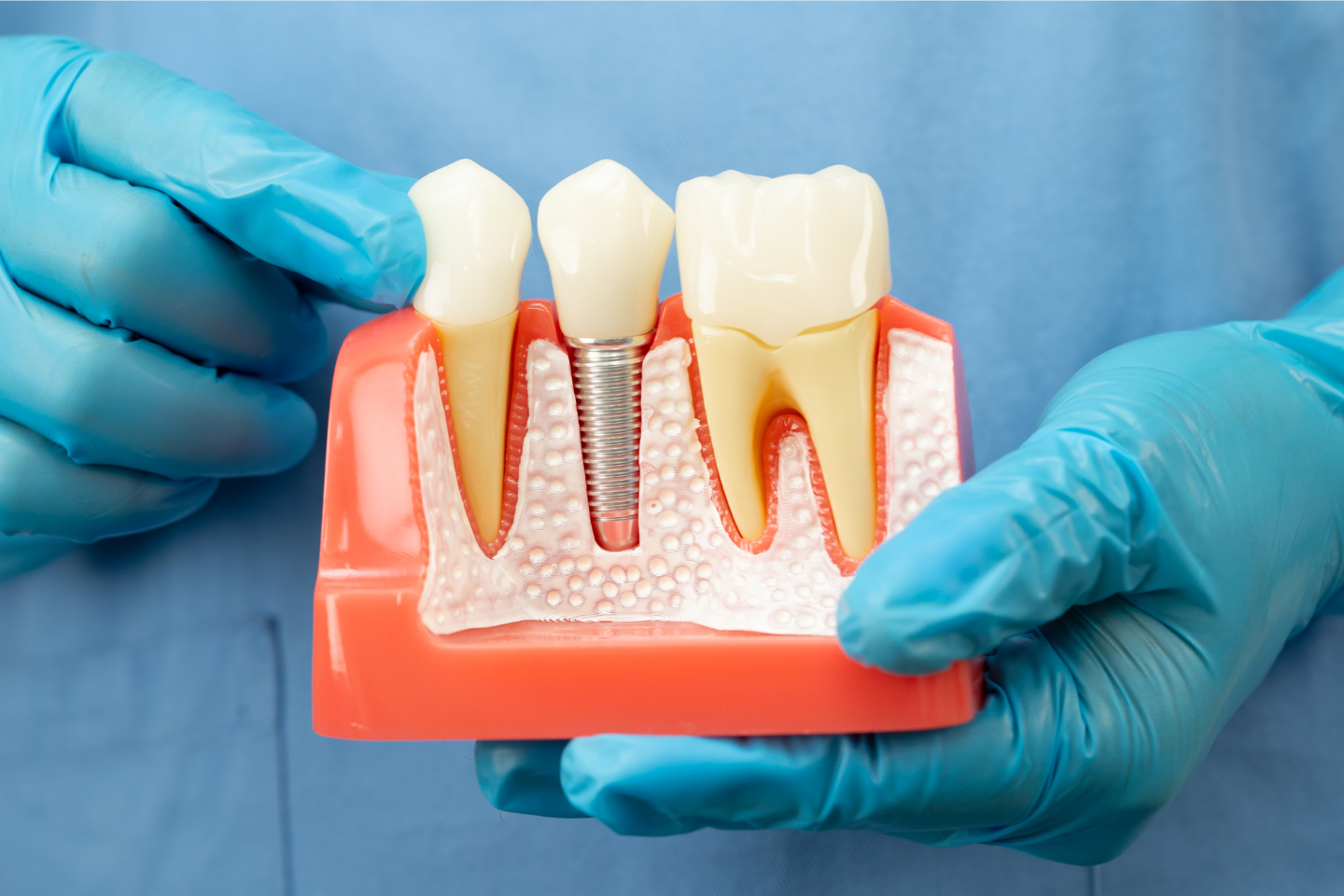
Are you experiencing discomfort, looseness, or pain around your new dental implant, and wondering what went wrong? You are not alone. As a dental professional with over a decade of hands-on clinical experience, I have guided countless patients through the journey of restoring their smiles. Over the years, I have seen firsthand that while dental implants boast an incredible 95% to 98% success rate, complications can and do happen.
Understanding dental implants failure begins with identifying the root causes of why these restorations lose their grip on the jawbone. If you are worried about your implant, let's explore the biological and mechanical reasons behind these complications, how to recognize the warning signs, and what you can do to protect your investment.
Key Takeaways on Dental Implant Failure
- Primary Cause of Failure: The most common cause of dental implant failure is peri-implantitis, an infectious inflammatory condition affecting the gum and bone around the implant.
- Early vs. Late Failure: Early failure usually occurs within the first few months due to poor osseointegration (the fusion of the implant with the bone), while late failure is typically caused by bacterial infection or excessive biting force.
- Risk Factors: Smoking, poor oral hygiene, and uncontrolled diabetes significantly increase the risk of failure.
- Warning Signs: Key symptoms include persistent pain, swelling, bleeding, or the implant feeling loose.
What Is Dental Implant Failure?
Dental implant failure is the complication that occurs when a surgically placed artificial tooth root fails to integrate into the jawbone or becomes loose and unstable over time. Think of a dental implant like a fence post set in concrete; if the concrete crumbles or the soil shifts, the post becomes unstable.
In the dental world, the implant post (which replaces the root) must fuse securely with your jawbone in a process called osseointegration. When this biological fusion is interrupted or broken down by bacteria or mechanical stress, the procedure is considered unsuccessful. Patients considering their restorative options should understand how modern implant tooth replacement solutions are designed to maximize long-term success.
The Most Common Cause of Dental Implant Failure: Peri-Implantitis
According to clinical studies and the American Academy of Periodontology (AAP), the most common cause of dental implant failure is peri-implantitis.
Peri-implantitis is a destructive, infectious inflammatory disease that affects the soft and hard tissues surrounding a dental implant. Much like periodontitis (gum disease) affects natural teeth, this condition leads to the progressive loss of the jawbone that holds the implant in place. Learning more about peri-implant diseases and prevention strategies can help patients recognize early symptoms before severe complications develop.
How Peri-Implantitis Develops
The process of peri-implantitis typically unfolds in a few distinct stages:
- Bacterial Plaque Buildup: Poor oral hygiene allows bacteria to accumulate along the gum line of the implant.
- Inflammation (Peri-implant Mucositis): The gums become red, tender, and prone to bleeding. At this stage, the condition is still reversible.
- Bone Loss: If left untreated, the inflammation spreads deeper, causing the underlying jawbone to dissolve.
- Implant Loss: As the bone anchor disappears, the implant loses its stability and ultimately fails.
Secondary Causes of Dental Implant Failure
While peri-implantitis leads the list, several other factors contribute to the failure of dental implants.
1. Failed Osseointegration
In some cases, what causes dental implant failure is simply the body's inability to form a strong bond with the titanium post during the initial healing period. This can happen due to overheating of the bone during surgery or premature loading of the implant crown before the fusion is complete. Understanding the advantages of permanent tooth implants can also help patients appreciate why proper healing is essential.
2. Occlusal Overload
Your teeth generate immense pressure when you chew or clench. If a dental implant is placed under excessive mechanical stress—often caused by nighttime grinding (bruxism) or a poorly designed crown—it can cause microscopic fractures in the bone, leading to implant loosening. For patients replacing one damaged tooth, a custom single replacement option may help distribute bite force more effectively.
3. Systemic Health Conditions
Underlying health issues play a massive role in healing. Patients with uncontrolled type 2 diabetes or compromised immune systems are at a much higher risk, as these conditions reduce the body's ability to fight off bacterial infections and regenerate bone tissue. Individuals with advanced tooth loss may require comprehensive full-arch restoration treatment to restore function successfully.
4. Tobacco Use
Nicotine restricts blood flow to the gums, which severely slows down the healing process. Research shows that patients who smoke have a significantly higher rate of dental implant failure compared to non-smokers. Patients often ask whether implant procedures cause discomfort before moving forward, but smoking remains one of the more serious long-term concerns.
How to Prevent Dental Implants Failure
Protecting your smile doesn't stop once the procedure is finished. Implementing excellent daily habits ensures the longevity of your implant.
- Brush and Floss Daily: Treat your implant just like a natural tooth. Use a soft-bristled toothbrush and interdental brushes to clean around the implant crown.
- Quit Smoking: Eliminating tobacco use improves blood circulation to the gums, reducing the risk of infection.
- Wear a Nightguard: If you grind your teeth while sleeping, a custom nightguard prevents occlusal overload.
- Attend Regular Check-ups: Routine professional cleanings and X-rays allow your dentist to catch early signs of inflammation before the bone is permanently damaged. Patients with extensive gaps should also explore solutions for replacing several missing teeth to prevent uneven bite stress.
For many patients, evaluating whether implants are a lasting oral health investment can reinforce the importance of diligent maintenance.
Understanding what causes dental implant failure empowers you to take control of your oral health. While peri-implantitis remains the leading threat to your implant, conditions such as smoking, grinding, and underlying health issues also contribute to the failure of dental implants.
By maintaining impeccable daily hygiene, attending regular dental visits, and managing risk factors, you can enjoy a strong, beautiful, and lasting smile for decades to come.
FAQs on Implant Failure
1. What is the main reason dental implants fail?
The most common cause of dental implant failure is peri-implantitis, an infection similar to gum disease that affects the tissues surrounding the implant. This bacterial infection can lead to inflammation, bone loss, and eventual implant instability. Proper oral hygiene and regular professional cleanings are essential to prevent this complication.
2. How can I prevent dental implant failure?
Preventing implant failure involves excellent daily oral hygiene, regular dental checkups, and following all post-operative care instructions. Avoiding smoking, managing medical conditions like diabetes, and addressing teeth grinding can also significantly improve implant success. Long-term maintenance is crucial for preserving implant health.
3. Does smoking increase the risk of implant failure?
Yes, smoking is a major risk factor for dental implant failure because nicotine restricts blood flow and impairs healing. Smokers have a significantly higher chance of poor osseointegration and infection. Quitting or reducing smoking before and after surgery greatly improves outcomes.
4. Can dental implants fail years after placement?
Yes, although many implants last decades, late failure can occur due to infection, bone loss, excessive bite pressure, or poor oral hygiene. Regular dental visits help detect early warning signs before major complications develop. Ongoing care is essential for long-term success.
5. Are certain medical conditions linked to implant failure?
Yes, uncontrolled diabetes, autoimmune disorders, osteoporosis medications, and other systemic health issues can affect healing and implant integration. A thorough medical evaluation helps determine whether you are a strong candidate. Managing these conditions carefully can improve implant outcomes.
6. What are signs that a dental implant may be failing?
Warning signs include persistent pain, swelling, gum inflammation, bleeding, implant mobility, or difficulty chewing. While mild discomfort during healing is normal, worsening symptoms should be evaluated immediately. Early intervention can sometimes save the implant.
7. Can failed dental implants be replaced?
In many cases, yes. A failed implant can often be removed, the area treated, and a new implant placed after proper healing or bone grafting if needed. Success depends on addressing the underlying cause of the original failure. Your dentist will create a personalized retreatment plan.
8. How successful are dental implants overall?
Dental implants have an impressive success rate of approximately 95–98% when placed by experienced providers and maintained properly. Advances in technology, planning, and patient education continue to improve outcomes. For most patients, implants remain one of the most reliable tooth replacement options available.