.svg)

.svg)
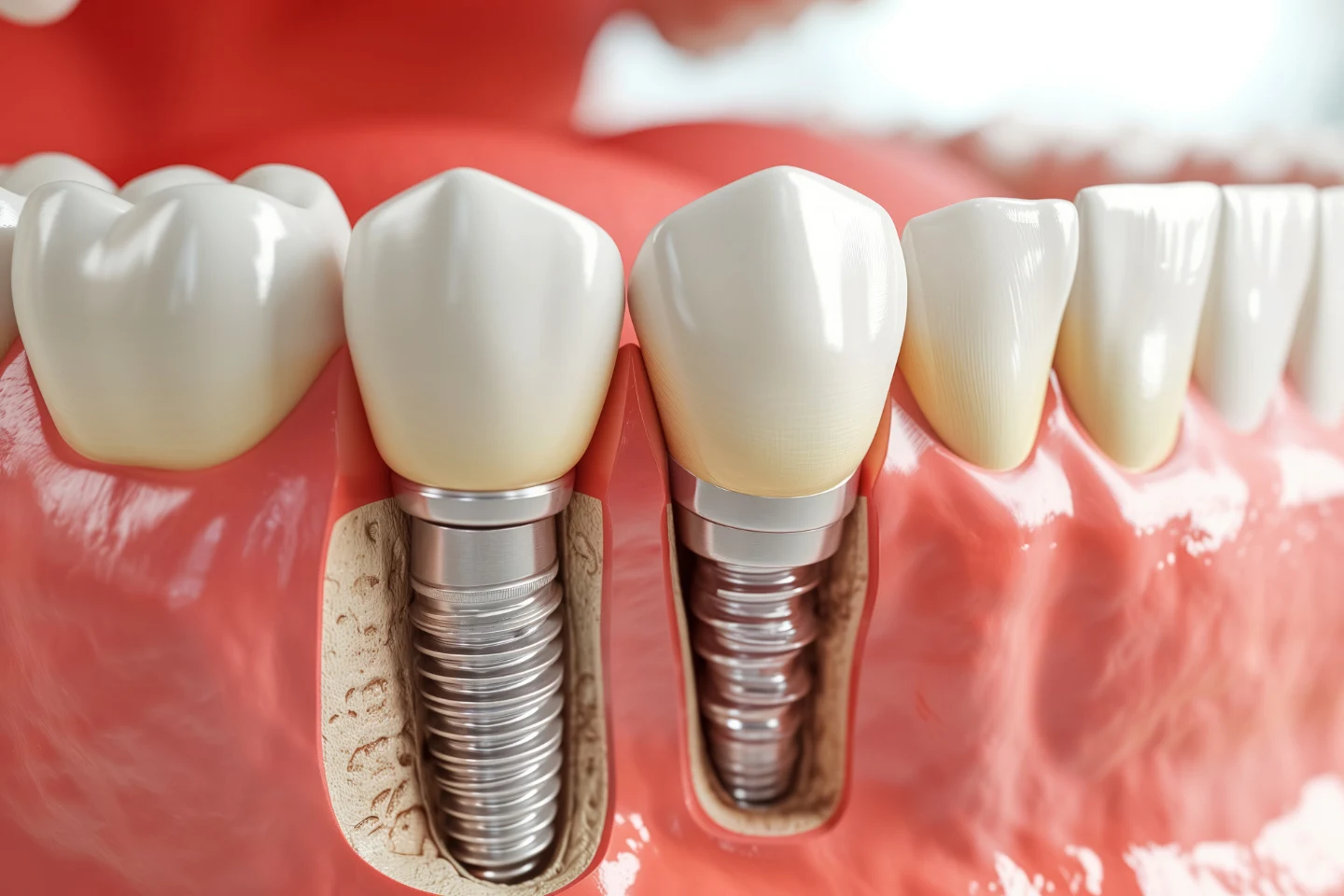
If you have been told that you need a dental implant, you may have heard another term that raises a lot of questions: bone grafting.
A bone graft is sometimes recommended before implant placement, but it is not necessary for every patient. Whether you need one depends largely on the amount and quality of bone available where the implant will be placed.
If you are considering dental implants, the best way to find out whether bone grafting is necessary is through a detailed examination and evaluation of the area where the missing tooth needs to be replaced.
At Fremont Star Dental, the goal is to look at the whole picture before recommending treatment. That includes the condition of your gums, remaining teeth, jawbone, and the area where the implant would be placed.
Why Does a Dental Implant Need Bone?
A dental implant is designed to replace the root portion of a missing tooth. It is placed into the jawbone, where it needs sufficient support to remain stable.
Over time, the jawbone around a missing tooth can shrink. This happens because natural tooth roots stimulate the surrounding bone. When a tooth is removed, that stimulation disappears. The bone may gradually lose volume in the area.
If too much bone has been lost, there may not be enough support for an implant in its planned position.
That is where bone grafting can sometimes help.
What Is a Bone Graft?
A bone graft is a procedure used to add or preserve bone in an area where additional volume may be needed.
The graft material provides a framework that can support new bone formation. Depending on the circumstances, different graft materials and techniques may be considered.
Bone grafting is not about replacing your entire jawbone. It is a targeted procedure intended to improve the available bone in a specific area.
Why Might You Need a Bone Graft?
Bone Loss After Tooth Extraction
Bone loss can begin after a tooth is removed. The amount varies from person to person.
If significant time has passed since your extraction, your dentist may find that the ridge has become narrower or shorter than it originally was.
Advanced Gum Disease
Periodontal disease can damage the tissues and bone supporting your teeth.
If bone loss has occurred because of gum disease, the condition of your gums needs to be evaluated before implant treatment is considered.
A Long-Standing Missing Tooth
The longer a tooth has been missing, the more opportunity there may be for bone remodeling and loss in that area.
That does not automatically mean you need a graft. It simply means your dentist needs to assess the available bone before planning implant placement.
Bone Shape and Implant Position
Even when there is some bone present, its shape may not be ideal for the planned implant.
Your dentist may want to place the implant in a particular position to achieve a stable and functional result. If the available bone does not allow that position, grafting may be recommended.
Is Bone Grafting Necessary for Everyone Getting an Implant?
No. And that's worth understanding clearly. Not every implant patient needs a graft. Some people have kept enough bone volume, whether that's because they lost a tooth recently, never had significant gum disease, or just have naturally dense bone in that region. For these folks, the implant can typically be placed without any extra bone-building step.
On the other hand, if you've gone years without replacing a missing tooth, or you have a history of periodontal disease, you're more likely to need grafting. That's why "are bone grafts necessary for dental implants" doesn't have one answer that fits every case. It depends entirely on your bone conditions.
Do I Need a Bone Graft Before Dental Implants?
Whether you need a bone graft comes down to a few specific factors, not some blanket rule that applies to everyone. A lot of people ask, "Is a bone graft necessary?" and the truthful answer is that it's necessary for some and completely unnecessary for others.
Can a Bone Graft and Implant Be Done at the Same Time?
Sometimes. The timing depends on how much bone is available and how much additional support is needed.
If there is enough existing bone to stabilize the implant while a small amount of grafting is performed, the procedures may sometimes be combined.
If the bone deficiency is more significant, your dentist may recommend allowing the graft to heal before placing the implant.
Your treatment plan should be based on your individual anatomy rather than a standard timeline.
What Happens During Bone Grafting?
The details vary depending on the type of graft.
The area is typically numbed before the procedure. The graft material is placed where additional bone support is needed, and the site is protected while healing occurs.
Your dentist will provide specific instructions for caring for the area afterward.
Healing takes time because the graft needs to integrate and support new bone formation.
How Long Before an Implant Can Be Placed?
There is no single healing period that applies to every patient. The amount of bone needed, the type of graft, the location, and your body's healing response all affect the timeline.
Some cases can be planned with grafting and implant placement together. Other cases require a period of healing before implant placement.
Your dentist can explain the expected sequence after evaluating your bone.
Is Bone Grafting Painful?
The procedure is performed with local anesthesia, so you should not feel the procedure itself in the way you might expect. Some tenderness, swelling, or discomfort can occur during healing.
Your dental team will give you aftercare instructions and explain what symptoms are expected and which ones should prompt a call to the office.
What Happens If You Do Not Need a Bone Graft?
If your jawbone has sufficient volume and quality, your dentist may be able to proceed directly with implant planning.
Avoiding an unnecessary procedure can simplify treatment and potentially shorten the overall process. That is why imaging and careful evaluation are so important.
Schedule a Dental Implant Consultation With Fremont Star Dental
If you have been told that you may need a bone graft before receiving a dental implant, getting a personalized evaluation can give you a much clearer picture of what lies ahead.
Contact Fremont Star Dental to schedule an appointment with a dentist in Fremont and learn whether bone grafting is necessary for your dental implant treatment.
FAQs About Bone Grafting and Dental Implants
How do I know if I need a bone graft?
Your dentist can evaluate the amount and quality of bone available with a clinical examination and appropriate imaging. The decision depends on the location and condition of the proposed implant site.
Can I get a dental implant if I have bone loss?
Yes, bone loss does not automatically rule out dental implants. In some cases, bone grafting or another procedure can improve the site for implant placement.
Is a bone graft always done before an implant?
No. Some patients have enough bone to support an implant without grafting.
How long does a bone graft take to heal?
Healing varies according to the graft and individual patient. Your dentist will give you a more specific timeline after evaluating the procedure required.
Can a sinus lift be done with a dental implant?
In certain cases, yes. The timing depends on the amount of bone available and the type of sinus augmentation required.
Is bone grafting safe?
Bone grafting is a commonly performed procedure, but every surgical procedure has potential risks. Your dentist should discuss the benefits, risks, alternatives, and expected recovery with you.
What happens if I do not have enough bone for an implant?
Your dentist may discuss bone grafting or another approach to improve the implant site. In some situations, an alternative tooth replacement may be considered.
Can gum disease affect dental implant treatment?
Yes. Healthy gums and supporting tissues are important for successful implant treatment. Active periodontal disease generally needs to be addressed before proceeding.