.svg)

.svg)
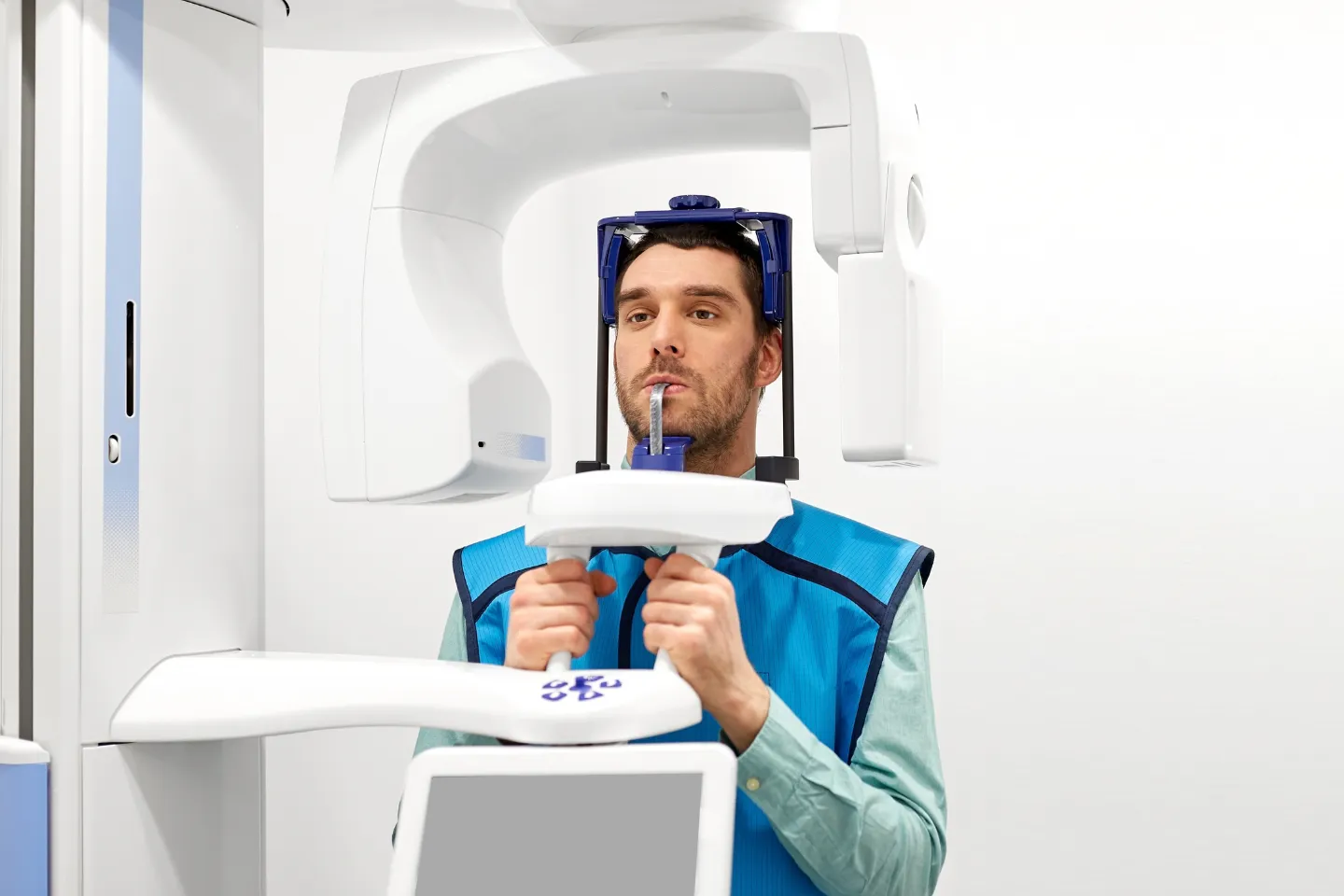
Dental X-rays are a routine part of dental care, yet many patients still wonder whether they are truly safe. Questions about radiation exposure, how often X-rays are needed, and whether they are necessary for every visit are common, especially for families and parents.
At Fremont Star Dental, patient safety is always the top priority. We believe informed patients feel more confident about their care. This blog explains how dental X-rays work, how safe they are, and why they play an important role in protecting oral health for patients in Fremont and surrounding communities.
What Are Dental X-Rays?
Dental X-rays, also known as dental radiographs, are diagnostic images that allow dentists to see areas of the mouth that are not visible during a regular exam. They help detect problems early—often before symptoms appear.
What Dental X-Rays Can Reveal
Dental X-rays help identify:
- Cavities between teeth
- Tooth root infections
- Bone loss due to gum disease
- Impacted or unerupted teeth
- Jawbone abnormalities
Without X-rays, many dental issues could go undetected until they become painful or serious.
Why Dental X-Rays Are Important for Oral Health
Even with excellent brushing and flossing, dental problems can develop beneath the surface. X-rays allow your dentist to diagnose concerns early, when treatment is simpler and more conservative.
Benefits of Dental X-Rays
- Early detection of cavities and infections
- Prevention of more extensive dental treatment
- Accurate treatment planning
- Monitoring of oral health changes over time
For patients seeking preventive dental care in Fremont, X-rays are a valuable tool for long-term oral health.
Are Dental X-Rays Safe?
The Short Answer: Yes
Dental X-rays are considered very safe, especially with modern technology. Today’s dental imaging systems use extremely low levels of radiation, and safety measures are always in place to minimize exposure.
The amount of radiation from dental X-rays is very small—often comparable to what you experience from everyday environmental sources.
Understanding Radiation Exposure From Dental X-Rays
Radiation exposure is measured in units called microsieverts (µSv). To put dental X-rays into perspective, consider this:
Radiation Comparison
- One digital dental X-ray: very low radiation exposure
- Daily exposure from natural background radiation: higher than a single dental X-ray
- Airline travel: significantly more radiation than a dental X-ray
Modern digital dental X-rays used by dentists in Fremont, CA expose patients to far less radiation than older film-based systems.
Digital Dental X-Rays: A Safer Option
At Fremont Star Dental, we use digital dental X-rays, which are safer and more efficient than traditional film X-rays.
Advantages of Digital Dental X-Rays
- Up to 80–90% less radiation than film X-rays
- Faster image capture
- Clearer, more detailed images
- Reduced need for retakes
Digital technology allows dentists to diagnose problems more accurately while keeping radiation exposure as low as possible.
Different Types of Dental X-Rays
Not all dental X-rays are the same. Dentists use different types of imaging depending on the information they need about your teeth and jaw.
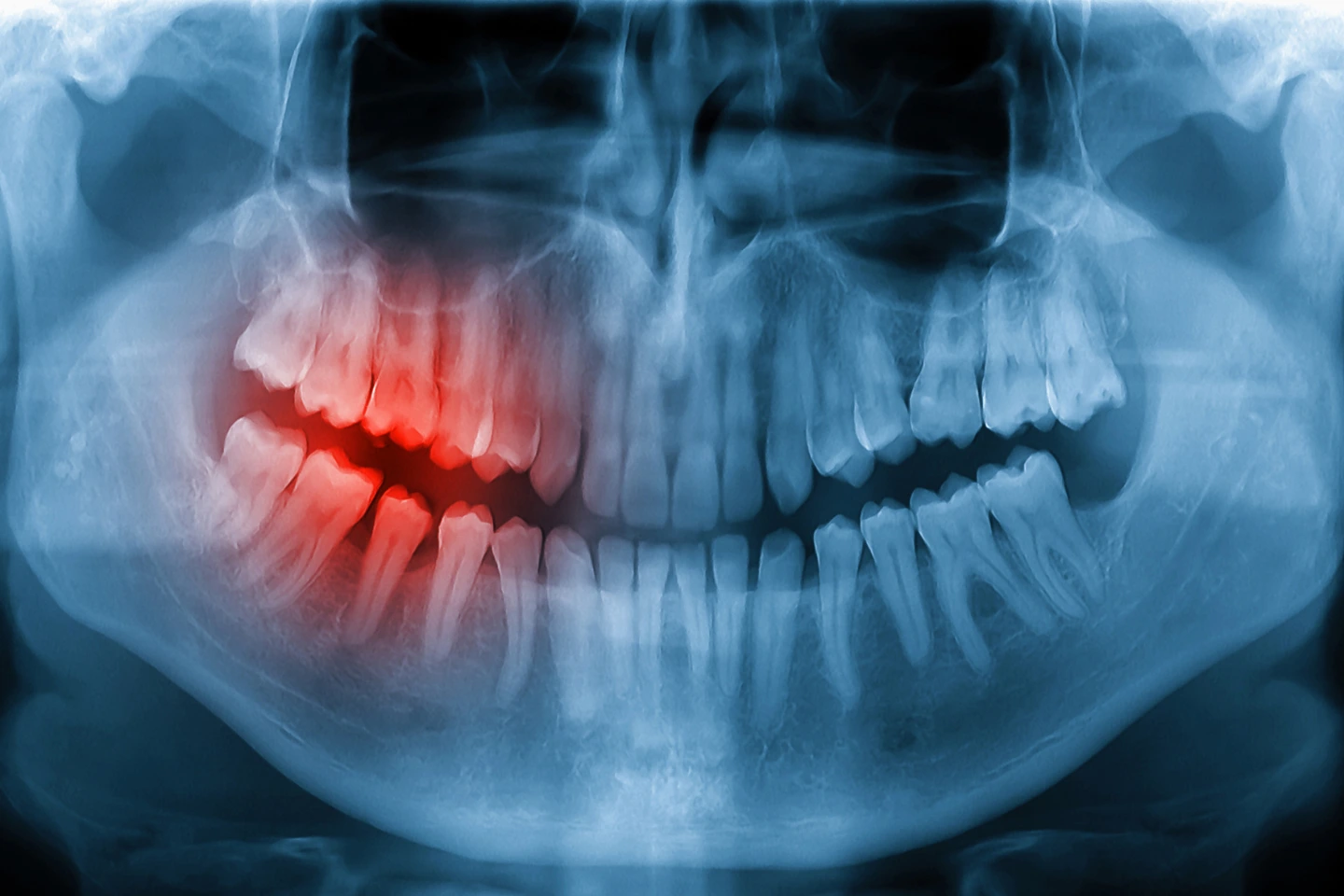
Common types of dental X-rays include:
- Bitewing X-rays: These are the most common type and help dentists detect cavities between teeth and monitor bone levels around the teeth.
- Periapical X-rays: These images show the entire tooth, including the root and surrounding bone. They are often used to detect infections, root problems, or abscesses.
- Panoramic X-rays: This type captures a full view of the mouth, including all teeth, jawbones, and sinuses. It is commonly used for evaluating wisdom teeth, orthodontic planning, and dental implants.
For more advanced diagnostics, dentists may also use 3D cone beam imaging technology to capture highly detailed views of the teeth, bone, and surrounding structures.
Dentists follow the ALARA principle, which stands for As Low As Reasonably Achievable. This guideline ensures that radiation exposure is kept as low as possible while still providing the images needed for accurate diagnosis.
By selecting the appropriate type of X-ray and limiting exposure, dentists can gather essential information while maintaining the highest safety standards.
Safety Measures Used During Dental X-Rays
Dentists follow strict safety guidelines to protect patients during X-ray imaging.
Common Safety Precautions
- Lead aprons to shield the body
- Thyroid collars when appropriate
- Targeted imaging to limit exposure area
- X-rays taken only when clinically necessary
These precautions ensure that patients receiving dental X-rays in Fremont experience minimal exposure.
How Often Do You Really Need Dental X-Rays?
Dental X-rays are not taken at every visit. The frequency depends on your oral health, age, risk level, and dental history.
Factors That Determine X-Ray Frequency
- History of cavities or gum disease
- Presence of dental restorations
- Age and stage of dental development
- Symptoms such as pain or swelling
Some patients may need X-rays more often, while others may only need them every few years. If you're curious about recommended imaging schedules, you can learn more about how often dental X-rays are recommended based on your oral health needs.
Are Dental X-Rays Safe for Children?
Yes, dental X-rays are safe for children when used appropriately. In fact, they are especially important for monitoring tooth development and detecting cavities early.
Why Children May Need X-Rays
- Detect cavities between teeth
- Monitor tooth eruption and alignment
- Identify developmental issues
Dentists are extra cautious with children and only recommend X-rays when necessary.
Are Dental X-Rays Safe During Pregnancy?
Pregnant patients often worry about X-rays, but dental X-rays are generally considered safe when proper precautions are taken.
What Expecting Patients Should Know
- Lead shielding is used to protect the body
- Modern digital X-rays emit very low radiation
- Dentists may postpone non-urgent X-rays
Always inform your dentist if you are pregnant or think you might be, so care can be tailored appropriately.
Common Myths About Dental X-Rays
Myth 1: Dental X-Rays Are Dangerous
Truth: Modern dental X-rays use extremely low radiation and are considered safe.
Myth 2: X-Rays Are Taken Too Often
Truth: Dentists follow evidence-based guidelines and only take X-rays when needed.
Myth 3: You Can Feel Radiation From X-Rays
Truth: Radiation from dental X-rays is not felt and does not cause immediate sensations.
What Happens If You Skip Dental X-Rays?
Declining recommended X-rays can increase the risk of undetected dental problems.
Risks of Skipping X-Rays
- Cavities may go unnoticed
- Infections can worsen silently
- Gum disease progression may be missed
- Treatment may become more complex and costly
X-rays help protect patients from unexpected dental emergencies.
Dental X-Rays and Preventive Dentistry in Fremont
For patients seeking preventive dental care in Fremont, CA, dental X-rays play a critical role in maintaining oral health. They allow dentists to catch issues early and tailor care to each patient’s needs.
Preventive care saves time, money, and discomfort by addressing problems before they escalate.
How Fremont Star Dental Prioritizes Patient Safety
At Fremont Star Dental, every diagnostic decision is guided by patient safety and clinical necessity. We use advanced digital imaging, follow strict safety protocols, and personalize X-ray recommendations for each patient.
Our approach focuses on:
- Low-radiation digital X-rays
- Individualized imaging schedules
- Clear explanations and patient education
- Preventive, conservative dental care
We believe patients deserve transparency and confidence in every aspect of their treatment.
When Dental X-Rays Are Especially Important
Dental X-rays are particularly important if you:
- Have frequent cavities
- Are experiencing dental pain or swelling
- Have gum disease
- Are undergoing orthodontic or implant treatment
- Have not had recent dental imaging
In these cases, X-rays provide critical information that cannot be obtained through a visual exam alone.
Final Thoughts
So, are dental X-rays safe? Yes—modern dental X-rays are extremely safe, especially when performed using digital technology and proper protective measures. The small amount of radiation involved is far outweighed by the benefits of early detection and prevention.
For patients looking for a trusted dentist, dental X-rays are an essential part of maintaining a healthy smile. At Fremont Star Dental, we are committed to using advanced technology responsibly while keeping patient safety at the forefront of every decision.
If you have questions about dental X-rays or your preventive care plan, a visit to Fremont Star Dental can help you understand exactly what you need—and why—so you can feel confident about your oral health.
FAQs on X-Ray Safety
1. How much radiation do dental X-rays expose you to?
Dental X-rays expose patients to very low levels of radiation, especially with modern digital imaging systems. In many cases, the exposure is lower than the natural background radiation you experience daily. Digital X-rays significantly reduce radiation compared to older film methods, making them a safe diagnostic tool.
2. Are digital dental X-rays safer than traditional X-rays?
Yes, digital dental X-rays are much safer than traditional film-based X-rays because they use up to 80–90% less radiation. They also provide faster image capture, clearer diagnostics, and reduce the need for retakes. This technology enhances both safety and diagnostic accuracy.
3. How often should dental X-rays be taken?
The frequency of dental X-rays depends on your oral health history, age, risk factors, and symptoms. Some patients may only need X-rays every couple of years, while others with ongoing dental concerns may need them more frequently. Your dentist will recommend imaging based on clinical necessity.
4. Are dental X-rays safe for children?
Yes, dental X-rays are safe for children when used appropriately and only when necessary. They are important for monitoring tooth development, detecting cavities early, and identifying orthodontic issues. Pediatric dental imaging follows strict safety standards with minimized exposure.
5. Can pregnant women get dental X-rays safely?
Dental X-rays are generally safe during pregnancy when proper precautions such as lead shielding are used. Modern digital X-rays emit very low radiation, but non-emergency imaging may sometimes be postponed. Always inform your dentist if you are pregnant so they can tailor your care accordingly.
6. What happens if I refuse recommended dental X-rays?
Skipping recommended dental X-rays can increase the risk of undetected cavities, infections, bone loss, or other hidden oral health problems. Without imaging, many conditions may worsen before becoming visible or painful. Early detection through X-rays often prevents more serious and costly treatment later.
7. Do dental X-rays cause cancer?
The radiation exposure from dental X-rays is extremely low, and modern dental imaging is considered safe when used according to professional guidelines. There is no significant evidence that routine dental X-rays meaningfully increase cancer risk. Dentists follow strict safety protocols to keep exposure as minimal as possible.
8. Why are dental X-rays necessary if my teeth feel fine?
Many dental issues develop silently beneath the surface, including cavities between teeth, infections, or bone loss. X-rays allow dentists to detect these hidden problems before symptoms appear. Even if your teeth feel healthy, diagnostic imaging can be essential for preventive care.